On July 5th, 1922, Norwegian explorer, scientist and diplomat Fridtjof Nansen creates a passport with which, between 1922 and 1945, he managed to protect the fundamental human rights as citizens of the world of thousands of people, famous and anonymous, who became stateless due to the tragic events that devastated Europe in the first quarter of the 20th century.
Emmy Awards nominee for "Outstanding Individual Achievement in a Craft: Research: Multi-faceted portrait of the man who succeeded Lenin as the head of the Soviet Union.
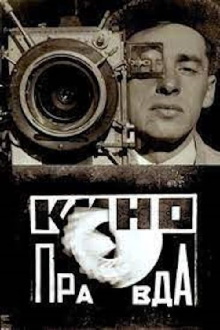
Dziga Vertov-directed Soviet newsreel covering: Streetcar collision / Arms manufacturing plant resumes operation / Assembling an automobile / Bicycle and motorcycle races / A parade of Red Army armored units and an attack exercise.
Starting in 1881 this film shows the personal battle between Lenin's Ulyanov family and the royal Romanovs that eventually led to the Russian revolution.
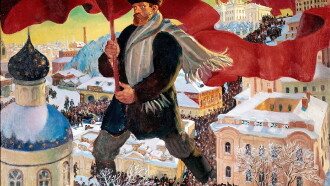
Drawing on the collections of major Russian institutions, contributions from contemporary artists, curators and performers and personal testimony from the descendants of those involved, the film brings the artists of the Russian Avant-Garde to life.
Dziga Vertov-directed Soviet newsreel covering: All-Russian Congress of Trade Unions / Delegations and diplomats / Renaming of a confectionery factory / Unloading supplies / Komsomol Day / Red Army maneuvers.
In trying to decide whom to marry--Rita Pring, the daughter of a South Seas ship captain, or Lady Helen Deene, an Englishwoman with wealth and influence--Burke Hammond consults Professor Jansen, a psychologist.
The animals are out enjoying sports in the wintry landscape. The little sheep girl -- who looks like a goat to me -- wants to join them instead of learning to play the harp.