In the spring of 1937 Leni Riefenstahl had only just started editing the 1st part of her magnum opus Olympia and it became clear that the film would not be ready for another year. The German authorities, who were financing the film, began to fear that these delays would have a negative impact on the future commercial success of the two Olympia films and so it was decided to create a promotional film, in English and in French, in order to maintain public interest for the film.
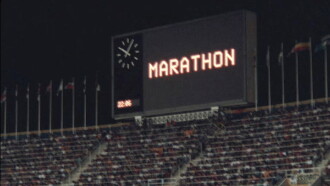
For this documentary, the renowned Spanish filmmaker Carlos Saura created a structure as unconventional as the Gaudí buildings that adorn the host city of Barcelona.
This impressionistic portrait of the 1964 Tokyo Summer Olympics pays as much attention to the crowds and workers as it does to the actual competitive events.
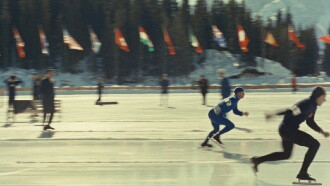
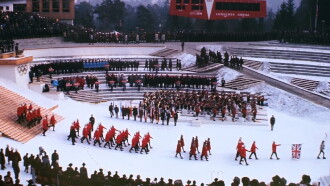
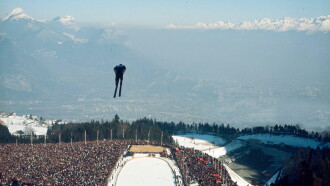
This colorful documentary chronicles the events of the 1968 Winter Olympics in France. The events made international celebrities of skater Peggy Fleming and skier Jean-Claude Killy for their gold-medal performances.
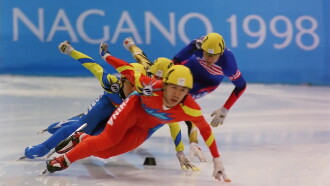
Universally recognized as the greatest female skier ever, Lindsey Vonn went on a remarkable journey that was defined by unexpected twists and turns and dramatic peaks and valleys in its final chapter.
Film about the 10th Olympic Games in Grenoble in 1968. Using a subjective camera, Ertaud and Languepin take the pulse of the Games, cutting out the eyes and slowing down the movement when necessary.
A documentary covering the 1964 Olympic Games in Tokyo. It consists primarily of footage edited from the documentary TOKYO OLYMPIAD, directed by Kon Ichikawa.
Documentary from 1937 filmed in the small Indonesian West Java town of Malabar. Follows the entire process of tea manufacturing from being grown and harvested in the fields, ground and processed in the factory, and eventually shipped out to countries around the world.
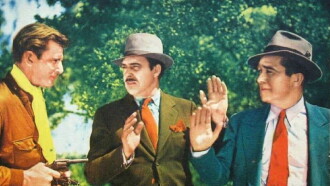
Agent Pete Garland is fired by society singer Monica Barrett after he got her a new radio contract, because she thinks her lawyer friend Teddy Leeds fits in better with her social status.
'Ora Ponciano stars Chucho Solorzano as the eponymous hero. Set in 19th-century Mexico, the story deals with a celebrated matador named Ponciano, as skillful with the senoritas as with the toros.
Hide-chan (Hideko Takamine) and her family are on a trip to Tokyo. While visiting a fairground, a pickpocket (Kamatari Furukawa) steals the father's wallet.