
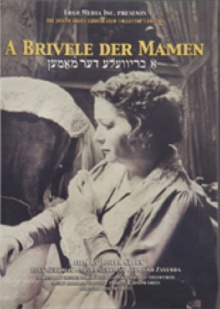
One of the last Yiddish films made in Poland before the Nazi invasion, this film tells the story of a mother's persistent struggles to support her three children in pre-war World War II Polish Ukraine. After her family is pulled apart by severe poverty and the turmoil of war, she and her children make their way to New York and turn to the Hebrew Immigrant Aid Society for help.
After losing a coveted role in an upcoming film to another actress, screen queen Mona Marshall (Lola Lane) protests by refusing to appear at her current movie's premiere.
The underage Rosemarie is still too young to run her inherited farm by herself; but she's more than aware that her foster father and the farm's administrator, the farmer Schlieker, is constantly skimming from the farm's finances to line his own pocket.
Reflecting the filmmaker's passion for automobiles, who in his youth participated in car races, the film portrays the attempt to manufacture a new model in the Ford factory in the city of Porto.
Three mice run, cavort, sing and dance around in the stores and restaurants a big city at night. They wind up in a café for an early-morning snack and stocking up on food provisions before they return to the safety of their den beneath a man-hole cover in the street.