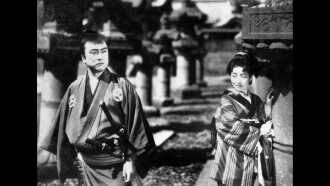
The peace of Trépigny is shattered when the new mayor Lebrennois sets out to modernise the little village and make it more attractive to tourists. Opposed to his schemes is the village's stationmaster Gargousse, a free-spirited soul who poaches in his spare time and has no time for Lebrennois's grand ambitions. Relations between Gargousse and the mayor are further strained when the former's goddaughter Antoinette begins an affair with the latter's nephew Allain. The mayor insists that the railway line is out-dated and should be replaced with a more efficient coach service. By taking up Lebrennois's offer of a duel, Gargousse has one last chance to save his job and discredit the unpopular mayor...
The Cabin Kids, in between song and dance numbers, are at the county fair with intentions, fair or foul, of helping Mammy win the Pancakes cooking contest.
Herr Werther, a new magistrate to the Grand Duchy of Walheim who is a violinist and poet, seems to have fate on his side as he meets and pursues a beautiful local woman, Charlotte.
Pre-war intelligence man Tommy Blythe interrupts his honeymoon to investigate the discovery of vital Air Ministry blueprints on a woman killed in a London road accident.
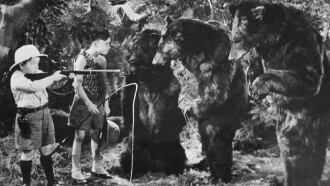
In an effort to impress Darla, Alfalfa tells her that he's a famous bear trainer. Little does he know that Darla's father owns a circus - and a bear costume.
Reflecting the filmmaker's passion for automobiles, who in his youth participated in car races, the film portrays the attempt to manufacture a new model in the Ford factory in the city of Porto.
Comments
Have you watched Gargousse yet? What did you think about it?