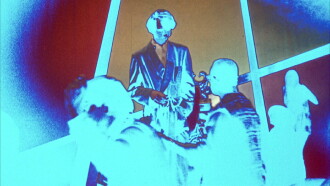
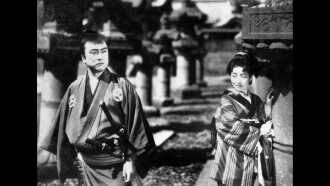
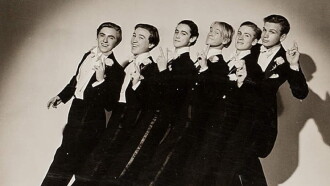
Black-and-white abstract animated short of light, shadows, and reflections by The Dodals (Karel Dodal (1900-1986) in collaboration with his wife, Irena Dodalová).
Hiroshima, summer of 1945. A young girl named Nobuko saves a starving kitten from crows. She wants to keep the kitten, but her parents dismiss the idea.
In this surrealistic and free-form follow-up to the Monkees' television show, the band frolic their way through a series of musical set pieces and vignettes containing humor and anti-establishment social commentary.
A young glassworker-in-training living with his pacifist father finds his apprenticeship upended by an impending war and the arrival of an army colonel to their seaside town.
The working-class Smiths change their initially sunny views on World War I after the five boys of the family witness the harsh reality of trench warfare.
Len Lye usually timed his films with great care to match their soundtracks, but for All Souls Carnival, he and composer Henry Brant worked separately, preferring to see if the score and visual track would synchronise by chance.
A horse goddess gives birth to three powerful brothers who set out into the Underworld to save three princesses from three evil dragons and reclaim their ancestors' lost kingdom.
This short experiments with the flow of oil ink over the surface of the water. Mizue manipulated the ink by blowing with straws or stirring with toothpicks and used stop motion animation techniques to shoot the resulting effects.
This film was mainly shot in the Japanese skiing resort Hokkaido in 1937-38 and was intended to create support for the coming winter olympics of 1940 in Japan which however were cancelled because of the Japanese-Chinese war.
Herr Werther, a new magistrate to the Grand Duchy of Walheim who is a violinist and poet, seems to have fate on his side as he meets and pursues a beautiful local woman, Charlotte.
Reflecting the filmmaker's passion for automobiles, who in his youth participated in car races, the film portrays the attempt to manufacture a new model in the Ford factory in the city of Porto.
Pre-war intelligence man Tommy Blythe interrupts his honeymoon to investigate the discovery of vital Air Ministry blueprints on a woman killed in a London road accident.