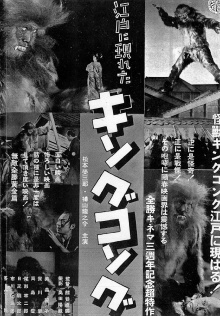
In part two of this silent two-part film, an ape nicknamed King Kong by its master has kidnapped the daughter of a wealthy man as part of a revenge plot by one of his lackeys. The conclusion of the story from Edo ni arawareta Kingu Kongu: Henge no maki (1938).
Reflecting the filmmaker's passion for automobiles, who in his youth participated in car races, the film portrays the attempt to manufacture a new model in the Ford factory in the city of Porto.
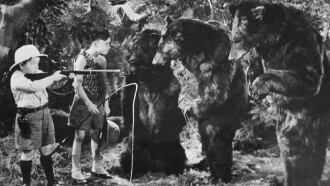
In an effort to impress Darla, Alfalfa tells her that he's a famous bear trainer. Little does he know that Darla's father owns a circus - and a bear costume.
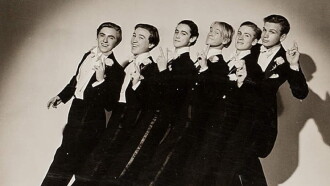
This comical campus romance showcases the fancy footwork of All-American basketball player Hank Luisetti while it tells the story of a dean's son who does his very best to become a good student.
A western town is being overrun and ruled by a gang of outlaws led by Bart (John Merton). Former Ranger Tim (Tim McCoy) is called out of retirement and assigned to clean up the gang.
Three mice run, cavort, sing and dance around in the stores and restaurants a big city at night. They wind up in a café for an early-morning snack and stocking up on food provisions before they return to the safety of their den beneath a man-hole cover in the street.
A cocky young Marine who's alienated many of his fellow soldiers with his smart-aleck, wiseguy attitude gets a "wake-up call" when his unit comes under attack by bandits.
Comments
Have you watched King Kong Appears in Edo: The Episode of Gold yet? What did you think about it?