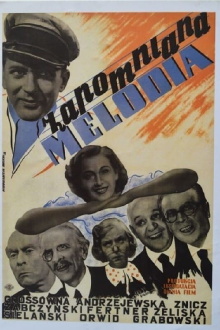
Helenka Roliczówna is the daughter of a wealthy cosmetics manufacturer and a boarder at the Institute for Girls' Further Education. There she meets Stefan Frankiewicz, who has decided to visit his uncle, a music teacher at the school. The young people quickly take a liking to each other.
Three mice run, cavort, sing and dance around in the stores and restaurants a big city at night. They wind up in a café for an early-morning snack and stocking up on food provisions before they return to the safety of their den beneath a man-hole cover in the street.
The mangiest pup at Pete's Pooch Palace catches the Captain's eye. He takes it home, but Mama is less than thrilled; she forbids it to stay in the house.
The Cabin Kids, in between song and dance numbers, are at the county fair with intentions, fair or foul, of helping Mammy win the Pancakes cooking contest.
Reflecting the filmmaker's passion for automobiles, who in his youth participated in car races, the film portrays the attempt to manufacture a new model in the Ford factory in the city of Porto.
Comments
Have you watched Zapomniana melodia yet? What did you think about it?