
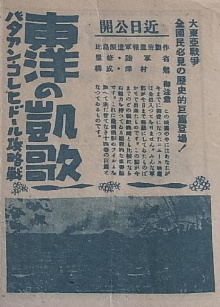
Excerpts from the 1942 propaganda film Toyo no Gaika celebrate the Japanese occupation of the Philippines during World War II. Named after a Japanese victory song, the film uses the power of the cinematic image for ideological purposes. A parade of visual symbols, emphasizing the patriotism of the victor and the defeat of the enemy, includes portraits of captured American generals and a trampled American flag.
Pavel Hora offers his friend Jiří Pulpán a place to live. When they get home, they find out that the landlord has evicted Pavel to the yard because he found a love letter from his daughter Zuzanka.
A girl reporter is trying to tack down the lady-in-the-title, as a key witness in a graft trial, which involves three murder and that many failed attempts.
A police reporter solves a murder case in Chicago, then moves on to St. Louis-but not voluntarily, since he has been kidnapped by the minions of the Windy City gang leader against whom he is scheduled to testify.
Taavetti, the young master of Rantasuo, refuses to give up, even though frost destroys his harvest, a crooked logger steals his forest money, and a dishonest bailiff takes away his freedom.
Carmelita and Uncle Matt find themselves in a haunted house, but the "ghosts" are actually enemy agents who are trying to frighten away visitors in order to develop a nitroglycerin bomb.
A counterfeiting gang implicate a bank employee in their crimes, but their cover-story about a ghost in the house where they do their printing backfires on them.
Director Rowland V. Lee's wacky 1942 comedy, about an absent-minded scientist working on a secret formula at an explosives plant, stars Edmond O'Brien, Victor McLaglen, Dorothy Lovett, June Havoc, Eddie Foy Jr.
It is the Christmas Holidays and reformed thief, Boston Blackie goes to Castle Theater to pick up players who will perform for prisoners that are still in prison.
Comments
Have you watched The Victory Song of the Orient yet? What did you think about it?