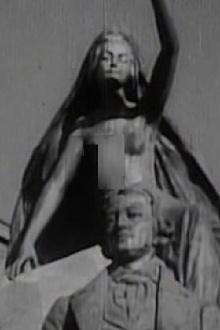
It shows the Prešeren House after it was opened as a museum, on the day when the authors found out about the German assault on Poland, reflected in a dark atmosphere of clouds traversing the Karawanks. The film reflects Förster’s fine feel for light and composition.
A Manhattan family's Christmas season turns topsy-turvy when 13-year-old Judy Graves mistakenly thinks her newly-arrived visiting uncle has just been released from prison.
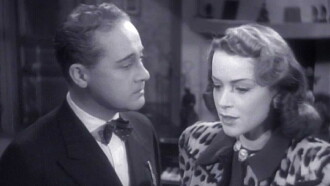
A young diplomat falls in love with a lady he has followed in the street and in order to establish a relationship, he introduces her into her house proposing a connection between Titì, the lady's dog and her Pekingese.
Insurance salesman Paul is to be engaged with Louise, the daughter of his boss. Trying to sell insurance to a millionaire he meet the millionaire's daughter Annette whom he fall in love with after complications and funny business.
A piece of reportage realized by the Polish Army Film Studios at the end of the war. It tells a story of Warsaw children who started a camp in the summer of 1944 in Stoczek Lyczkowski.
A U. S. Marines dog is returned to his young owner in the small town of Monrovia at the end of WWII, but a grouchy neighbor believes the animal's military training makes him a threat to the community and files charges to have the dog destroyed.