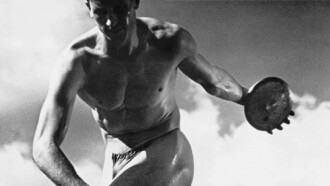
Starting with a long and lyrical overture, evoking the origins of the Olympic Games in ancient Greece, Riefenstahl covers twenty-one athletic events in the first half of this two-part love letter to the human body and spirit, culminating with the marathon, where Jesse Owens became the first track and field athlete to win four gold medals in a single Olympics.
More than twenty sports journalists – working mainly on television (BeIN Sports, RMC Sport, France Télévisions, Canal+, TF1) but not only (L'Équipe, Radio France) – testify to the anger, despondency and helplessness they felt when they had to endure the “Yucky jokes”, the « culture de boy’s club » and degrading insults on social networks, while at the same time the presence of women in these programs and in the press has increased.
Part two of Leni Riefenstahl's monumental examination of the 1938 Olympic Games, the cameras leave the main stadium and venture into the many halls and fields deployed for such sports as fencing, polo, cycling, and the modern pentathlon, which was won by American Glenn Morris.
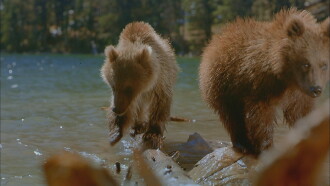
From polar bears in the arctic tundra to black bears in the Northern Rockies, you'll see some of the most spectacular footage ever shot of these enterprising omnivores.
David Asmmann's Football Under Cover documents the hard work involved in setting up an exhibition soccer match, known as a "friendly," between a German girls squad and Iranian women's team.
Halfway between a sports documentary and an conceptual art installation, "Zidane" consists in a full-length soccer game (Real Madrid vs.
Alternative movies trailers for The Sport Parade: Snow Thrills
More movie trailers, teasers, and clips from The Sport Parade: Snow Thrills:
The Sport Parade: Snow Thrills (1945)
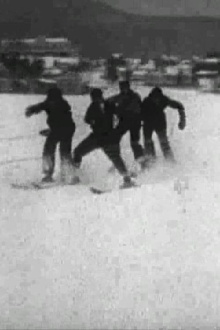
A collection of snow sports and activities circa 1945.
Snow Thrills (1940)
Silent. Highlights winter sports - skating skiing bobsled dogsledding and features lots of folks falling down. We digitized and uploaded this film from the A/V ...
Popular movie trailers from 1945
These some of the most viewed trailers for movies released in 1945:
A naive young girl, looking to escape from a bad family situation, falls in love with a man who turns out to be a cad, and leads her down the road to ruin.
A piece of reportage realized by the Polish Army Film Studios at the end of the war. It tells a story of Warsaw children who started a camp in the summer of 1944 in Stoczek Lyczkowski.
A U. S. Marines dog is returned to his young owner in the small town of Monrovia at the end of WWII, but a grouchy neighbor believes the animal's military training makes him a threat to the community and files charges to have the dog destroyed.
Head over heels in love with a stern and cold older businessman's young wife, a reporter is seduced into conspiring to murder him so she can inherit his estate, while pinning the murder on another businessman.