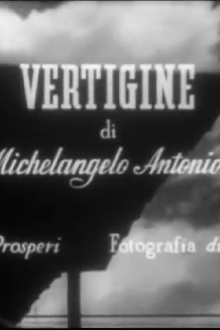
Vertigine (Vertigo) is the original title of a fragment of around 4', signed by Michelangelo Antonioni, which is a part of the eight-minutes documentary La funivia del Faloria. The title was eventually modified in La funivia del Faloria because considered more effective to obtain the governmental prize (at the time the minimum length allowed was 8 minutes). Vertigine was shot in 1949 with the cinematographer Bellisario, who was director of photography in several documentaries in those years, but was edited only in 1950, after Antonioni had made his first feature film, Cronaca di un amore.
Shot on the Great Barrier Reef in Australia and in the Bahamas, Ocean Wonderland brings to you the amazing beauty of the many varieties of coral and the immense diversity of the marine life thriving there.
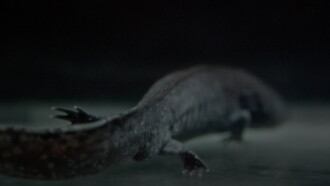
Through a choral diversity of testimonies, the documentary explores the myth of the axolotl, transporting us from the story of a chinampero whose lifestyle reflects the environmental decay of Mexico City, to the efforts of a group of scientists racing against the consequences of the extinction of our symbols and ecological heritage.
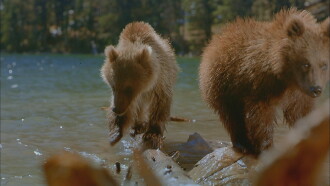
From polar bears in the arctic tundra to black bears in the Northern Rockies, you'll see some of the most spectacular footage ever shot of these enterprising omnivores.
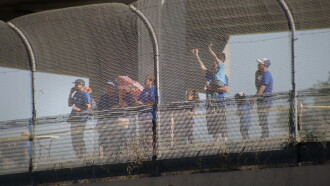
As daylight breaks between the border cities of El Paso, Texas, and Juarez, Mexico, undocumented migrants and their relatives, divided by a wall, prepare to participate in an activist event.
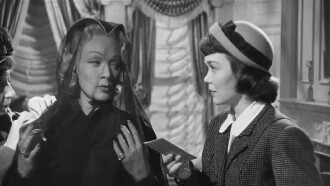
Lilli Marlene, a French girl working as a bar maid in her uncle's café in Benghazi, Libya, turns out to be the girl that the popular German wartime song Lili Marleen had been written for before the war, so both the British and the Germans try to use her for propaganda purposes - especially as it turns out that she can sing as well.
Prosper Bourrache, who has the gift of the gab, is natural born street vendor. Due to a mistake he gets involved in the burglary of a shady banker's house.
Through the pattern of this film a ‘Test’ at Lord’s runs like a thread and a broadcast commentary on the match is imposed on the background of cricket as a game, a craft, an interest of a people, a piece of history.
Driving safety film sponsored as a public service by oil companies. Of five drivers who leave home in the morning, only four return, and we wait to learn who the victim is.