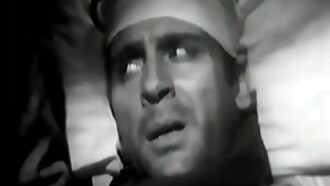
Stanley Kubrick’s debut documentary, following Irish-American middleweight boxer Walter Cartier on April 17, 1950—the day of his bout with Bobby James. The film traces Cartier’s quiet morning rituals, training, and anxious hours before the match, culminating in his swift victory that night in Newark. Opening with a brief history of boxing, Kubrick’s tightly crafted short captures the discipline, isolation, and tension behind a fighter’s daily routine.
This short documentary shows Canada's top swimmers in training for the 1964 Olympic Games. Under the critical eye of coach Ed Healy, they practice long hours in the gym and in the pool to build strength and stamina.
Anaben Pawar is an elderly tribal woman accused of witchcraft in rural India. Through Ana's story, we delve into a deep-rooted culture of patriarchy and examine one of the most monstrous attacks on women's bodies in modern India: the witch-hunt.
Through a pictoric play, this movie tells the story about the painter Eduardo Miranda who, one night, while he was lokking to a gipsy group that was dancing, discovers a beautifull girl called Carmen.
A love triangle, the story revolves around two brothers (Ajit and Sajjan), both in love with an orphan girl (Madhubala), who is given shelter by their family.
A charming psychopath tries to coerce a tennis star into his theory that two strangers can commit the perfect crime by exchanging murders—each killing the other’s most-hated person.
Five-year-old Patsy has competition for her father's attention from the family's new baby. Her attempts to win her father's praise receive instead a rebuke.