On the Sorrento peninsula, orange and lemon groves stretch all the way to the coast. In the orange plantations, the high wooden frames are covered with mats to protect the trees from intense sunlight. The function of the artificial irrigation system is demonstrated. The oculation of trees is demonstrated in a young plantation. The oranges are cleaned on the spot, then sent to the laundry, cleaned, dried and made ready for dispatch. In a lemon plantation, many pickers stand on ladders on a tall tree and remove the fruit. The lemons are sorted, wrapped in tissue paper and packaged in home and large-scale factories. Before being exported, the goods are checked again for quality.
Working men and women leave through the main gate of the Lumière factory in Lyon, France. Filmed on 22 March 1895, it is often referred to as the first real motion picture ever made, although Louis Le Prince's 1888 Roundhay Garden Scene pre-dated it by seven years.
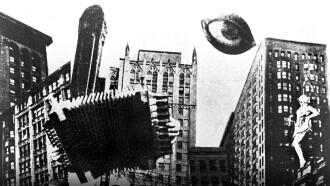
A day in the city of Berlin, which experienced an industrial boom in the 1920s, and still provides an insight into the living and working conditions at that time.
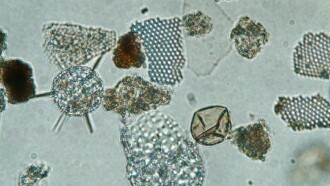
In his laboratory, an oceanographer conducts temperature and salinity tests to determine the necessary conditions for the micro-algae Protoceratium reticulatum to survive in the Saint Lawrence Estuary.
Popular movie trailers from 1951
These some of the most viewed trailers for movies released in 1951:
A bandleader, desperate to get his band's instruments out of hock, promises the pawnshop clerk--an aspiring songwriter--that he'll let the band's female singer do the clerk's songs at a local club if he will let the band "borrow" their instruments at night.
Through a pictoric play, this movie tells the story about the painter Eduardo Miranda who, one night, while he was lokking to a gipsy group that was dancing, discovers a beautifull girl called Carmen.
Hanna Amon and her brother Thomas live on an estate they've inherited from their parents. Local veterinarian Brunner loves Hanna from afar, and Thomas is in love with the daughter of the local mayor.
Comments
Have you watched Orangen und Zitronen aus Sorrent yet? What did you think about it?