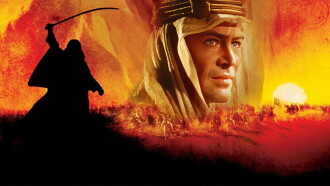
During World War I, English officer Thomas Edward 'T.E.' Lawrence sets out to unite and lead the diverse, often warring, Arab tribes to fight the Turks.
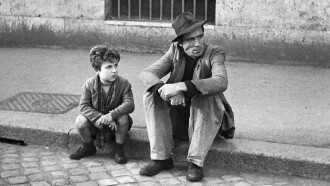
Unemployed Antonio is elated when he finally finds work hanging posters around war-torn Rome. However on his first day, his bicycle—essential to his work—gets stolen.
A tramp falls in love with a beautiful blind flower girl. His on-and-off friendship with a wealthy man allows him to be the girl's benefactor and suitor.
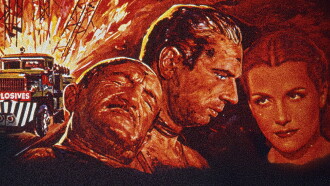
In 1920s Chicago, Italian immigrant and notorious thug, Antonio 'Tony' Camonte, aka Scarface, shoots his way to the top of the mobs while trying to protect his sister from the criminal life.
England, 1600. Queen Elizabeth I promises Orlando, a young nobleman obsessed with poetry, that she will grant him land and fortune if he agrees to satisfy a very particular request.
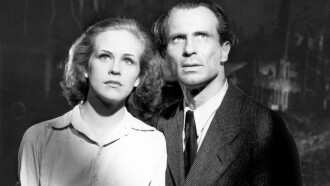
Part one of this two-part epic follows the life and deeds of Boris I – a strong historic personality, which completes his mission to the full and at the end of his life receives holy orders.
When his grandfather dies, George Westcott (Patrick Doonan) returns home from India to collect his inheritance -- only to find that the will has mysteriously gone missing.
Connie is confused about what she what to do when she gets home but meets a older women who mentions Westmont College and the two make arrangements to meet again so she can learn more about the college.
The story revolves around Hussein, the son of Sheikh (Abdel Rahman), who travels to Alexandria for education, Hussein learns about the singer (Belbala) and falls in love with her and decides to marry her, attend (Ilham) daughter confused aunt and meet Hussein to ask him not to complete this marriage because A bad past for his love, Hussein avoids confusion despite his love for her, and tries to inspire the closeness to Hussein's cousin, Munir.
"She Came Like a Wind" - Fabian Rosander works at a factory and is close to 50 years old. When a new employee named Lilly, a young beautiful girl, comes to the factory Fabians life takes a new turn.
Comments
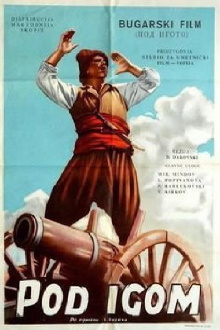
Have you watched Under the Yoke yet? What did you think about it?