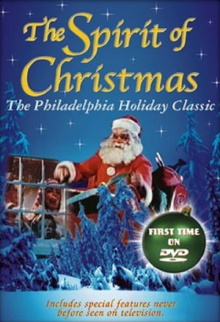
This Christmas film, created as a special for television broadcast throughout the Philadelphia, Pennsylvania viewing region, was produced by puppeteer Mabel Beaton and her husband Les for Bell Telephone Company and first aired in 1953. Following a short live-action opening portion, featured are two extended marionette segments, the first dramatizing Clement Moore's "A Visit from St. Nicholas", the second reverently telling the Nativity story; the two stories are staged in classic, traditional style. From 1953 onward, for several years, The Spirit of Christmas was broadcast in the intended region multiple times per holiday season. It was also available as a 16mm film licensed to schools for showings to students. This film often is misstated to have originally been broadcast in 1950.
Instead of flying to Florida with his folks, Kevin ends up alone in New York, where he gets a hotel room with his dad's credit card—despite problems from a clerk and meddling bellboy.
Better watch out! The big guy in red is coming to town once again. This time, Scott Calvin -- also known as Santa Claus -- finds out there's an obscure clause in his contract requiring him to take on a wife.
Determined to unseat Steve Finch's reign as the town's holiday season king, Buddy Hall plasters his house with so many decorative lights that it'll be visible from space! When their wives bond, and their kids follow suit, the two men only escalate their rivalry - and their decorating.
Garfield, the fat, lazy, lasagna lover, has everything a cat could want. But when Jon, in an effort to impress the Liz - the vet and an old high-school crush - adopts a dog named Odie and brings him home, Garfield gets the one thing he doesn't want.
Ten-year-old Arthur, in a bid to save his grandfather's house from being demolished, goes looking for some much-fabled hidden treasure in the land of the Minimoys, tiny people living in harmony with nature.
Walt Disney's timeless masterpiece is an extravaganza of sight and sound! See the music come to life, hear the pictures burst into song and experience the excitement that is Fantasia over and over again.
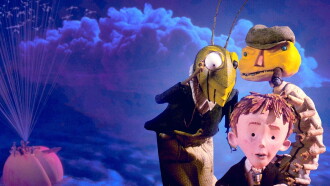
When the young orphan boy James spills a magic bag of crocodile tongues, he finds himself in possession of a giant peach that flies him away to strange lands.
A retelling of the classic Dickens tale of Ebenezer Scrooge, miser extraordinaire. He is held accountable for his dastardly ways during nighttime visitations by the Ghosts of Christmas Past, Present and Future.
During the holiday season, when the animals of the Central Park Zoo are preparing for Christmas, Private, the youngest of the penguins notices that the Polar Bear is all alone.
Alternative movies trailers for The Spirit of Christmas
More movie trailers, teasers, and clips from The Spirit of Christmas:
The Spirit of Christmas - Mabel Beaton Marionettes and Bell Telephone AT&T
This video is a classic favorite on Philadelphia TV. It airs every year at Christmas time on WHYY-TV12. The film is narrated by Alexander Scourby and preformed ...
THE SPIRIT OF CHRISTMAS 1951
Marionettes performing "A Visit From Saint Nick" and "The First Noel" ... Christmas's
The Spirit Of Xmas Aka The Spirit Of Christmas (1947)
CU three separate shots of spires of the Churches of various denominations of the church of the Nativity in Bethlehem Palestine / Israel with their bells ringing.
Popular movie trailers from 1953
These some of the most viewed trailers for movies released in 1953:
Inspan is dedicated to tough pioneers, who along dangerous roads - with courage and strength - developed the vital transport routes for a young and growing country - the transport riders.
Engineer Adel's journey from Europe ends and he returns to Cairo. He begins searching for his beloved Wedad, whom he had proposed to the wealthy lady, Nemat.
"The Man from Cairo", a Michaeldavid production for distribution by Lippert, with Ray Enright the only credited director on the film print, finds Mike Canelli, the man from Cairo, nosing around Algiers with mystery surrounding the people he meets and the things he does and has done to him, all deriving from the war-time theft of $100,000,000 in gold which lies somewhere in the adjacent desert.
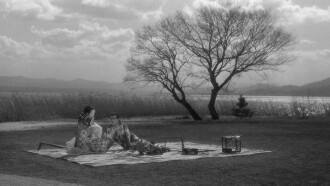
In 16th century Japan, peasants Genjuro and Tobei sell their earthenware pots to a group of soldiers in a nearby village, in defiance of a local sage's warning against seeking to profit from warfare.