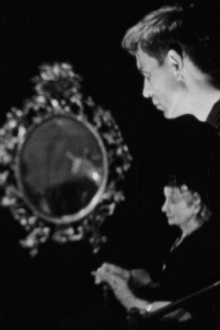
A surrealistic and symbolic depiction of the liberation of the self in a series of associative scenes. The main character moves between different rooms, rooms of significance for him, dragging something that constantly changes form but eventually turns out to be himself. It is an old and consumed I that disappears from him.
An egotistic, self-centric painter discovers he has developed a life-changing disease. Choosing to forget his troubled past, he immerses himself in painting, reshaping his memories to imagine a different past.
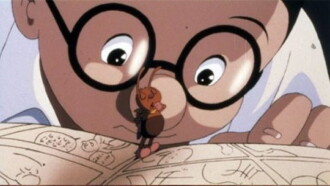
The animation was produced for the Tezuka Osamu Manga Museum, thus it features scenes from the "life and nature" of Tezuka Osamu's childhood, themes that are central to the museum as a whole, through exchanges between the boy Osamu and the carabid beetle (Osamushi) who provided the origin for the artist's name.
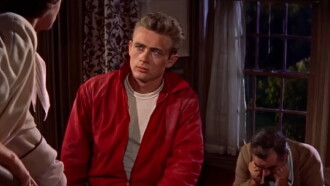
After moving to a new town, troublemaking teen Jim Stark is supposed to have a clean slate, although being the new kid in town brings its own problems.
Mr Pastry's social climbing daughter, president of a society for the rehabilitation for ex-convicts, hides the fact that her father is himself a prisoner.
A member of the Bunco squad introduces the Case of the Gullible Woodpecker. It seems that Woody wins a pot full of dough that con man Buzz Buzzard notices and sets his sights on stealing.
A young woman welcomes a stranger into her home who pretends to have an accident. After a fleeting romance, the two marry and she immediately inherits a fortune due to the death of her uncle.
Murders, with victims dying from spines broken by brute strength, erupt in the city and the killers, when encountered, walk away unharmed by police bullets which strike them.
Since the capable landlady Maria bears a striking resemblance to the ruler of a miniature state, she is tasked with playing the role of princess during her absence.
Comments
Have you watched Study IV: Liberation yet? What did you think about it?