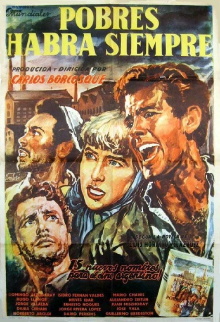
"Pobres habrá siempre" is a rarity within Argentine cinema for many reasons. Its theme is the rebellion of a group of meatpacking workers around 1935 and the several reasons that justified it, but the film was shot at a time when workers and union struggles were very strange issues for local production.
Reconstructs the case of United States vs. Darby Lumber Company, which, in 1941, resolved long struggles over the question of whether Congress had the right to set minimum wages, limit child labor, and in other respects legislate employment standards.
Two fairies, Terencja and Felicja are in posession of the Lucky Rain Boots, which they intend to give to the most deserving person in the city of Kraków.
Irish Brigid Mary blames the English for the deaths of her fiance, brother, and father. Becoming a nurse following WW I she finds herself caring for what she considers the enemy.
Jean-Paul is a Frenchman who yearns to live in communist Czechoslovakia. His wish is granted when, mistaken as a masseur of a French boating team, he manages to elude the democratic authorities long enough to scamper over the Czech border.