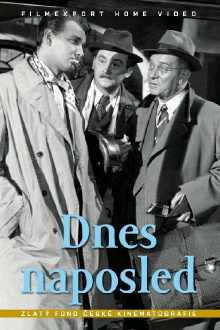
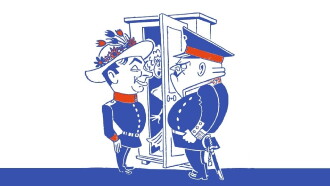
Concert master Karel Mašek is a drunk, as well as engineer Danda and other regular guests of the pub U Kroců. Mašek returns from the pub in the morning and promises the woman that he will stop drinking. But he failed again, and the orchestra players refuse to play with him. Danda returns home without a bag and goes to Krocs again in the morning, even though he has an important job at work. He has been degraded to subordinate job position, but he refused to admit it at home.
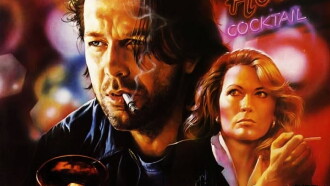
When reporter Jean Craddock interviews Bad Blake—an alcoholic, seen-better-days country music legend—they connect, and the hard-living crooner sees a possible saving grace in a life with Jean and her young son.
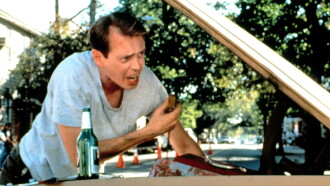
Tommy has lost his job, his love and his life. He lives in a small apartment above the Trees Lounge, a bar which he frequents along with a few other regulars without lives.
Buddy Amaral, a successful and self-absorbed Los Angeles advertising executive, switches airline tickets with a stranger just before boarding a long-delayed flight so that he might enjoy an overnight fling with a pretty Dallas businesswoman.
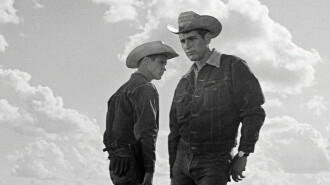
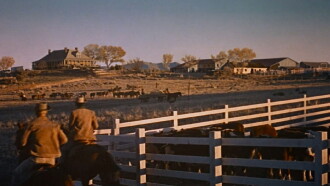
Hud Bannon is a ruthless young man who tarnishes everything and everyone he touches. Hud represents the perfect embodiment of alienated youth, out for kicks with no regard for the consequences.
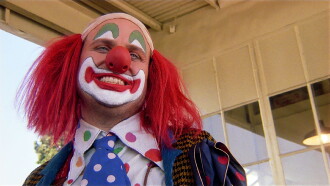
Shakes plods about his duties as party clown, and uses all of his free time getting seriously drunk. Binky, another clown, wins the spot on a local kiddie show, which depresses Shakes even more, and his boss threatens him with unemployment if he can't get his act under control.
Popular movie trailers from 1958
These some of the most viewed trailers for movies released in 1958:
Bandit crew with mysterious masked leader is doing lots of crimes. Mauricio Rosales and his sidekick ride into town all incognito and stuff to set things right.
1958: during the Russian campaign, a military priest is called upon to assist Private Baranowski, who has been sentenced to death for desertion, on his last night.
Reconstructs the case of United States vs. Darby Lumber Company, which, in 1941, resolved long struggles over the question of whether Congress had the right to set minimum wages, limit child labor, and in other respects legislate employment standards.