Ethnologist Marius Barbeau introduces us to indigenous mythology. Masks, dances, songs, and totems are used to give the audience a highly suggestive representation of the "biblical" history (Mr. Barbeau's word) of Indigenous tribes.
Three friends out to disprove cannibalism meet two men on the run who tortured and enslaved a cannibal tribe to find emeralds, and now the tribe is out for revenge.
In 1973, five men and six women drifted across the Atlantic on a raft as part of a scientific experiment exploring the origins of violence and sexual attraction.
In this follow-up to his 2003 film, Totem: the Return of the G'psgolox Pole, filmmaker Gil Cardinal documents the events of the final journey of the G'psgolox Pole as it returns home to Kitamaat and the Haisla people, from where it went missing in 1929.
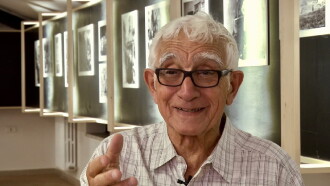
A beautiful collection of pictures ties Frank Cancian, an elderly photographer and retired professor of anthropology, American with origin from Veneto, to the people of Lacedonia, a small town in southern Italy.
Written by the great librettist Tong Tik-sang, and featuring Lee Tit's elegant direction and superb performances from Yam Kim-fai and Pak Suet-sin, "Butterfly and Red Pear Blossom" brings Cantonese opera to cinematic life.
When a ship bringing a contingent of international wounded from Korea is torpedoed, three women (two nurses and a secretary) and a male journalist survive and reach a lonely island in a boat.
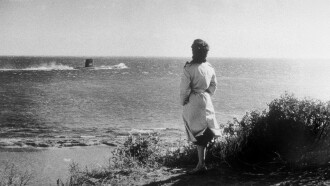
In 1964, atomic war wipes out humanity in the northern hemisphere; one American submarine finds temporary safe haven in Australia, where life-as-usual covers growing despair.
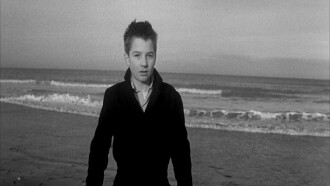
For young Parisian boy Antoine Doinel, life is one difficult situation after another. Surrounded by inconsiderate adults, including his neglectful parents, Antoine spends his days with his best friend, Rene, trying to plan for a better life.
Don Senen has spent inheritance Begoña sprees, his niece, who only had to administer. It remains to receive a million pesetas, which will only be delivered to the death of Don Senen.
The Lourmel couple are taking part in the final round of a TV game show: the wife has to answer questions; if she fails, her husband drives a racing car to make up the lost minutes.
Comments
Have you watched Marius Barbeau et l'art totémique yet? What did you think about it?