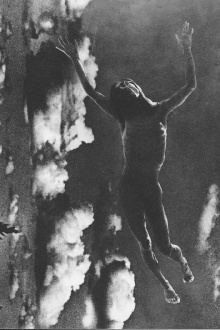
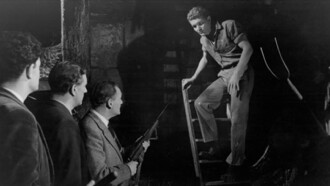
Filmed only a few months after Tatsumi Hijikata’s first explosive public butoh performance, “Gisei” features Hijikata and members of his Asbestos Hall Troupe in a brutal allegory of a closed society. Shot by noted Japanese film scholar Donald Richie, “Gisei” still conveys the shock that Japanese audiences in 1959 must have felt at the birth of Hijikata's ankoku butoh, or "dance of darkness". Richie met Hijikata through mutual friend Yukio Mishima. They decided to collaborate on a film about segregation. Richie memorialized the film in his diary: “It is more than ever about the death of an individual, a distinct kind of human sacrifice.”
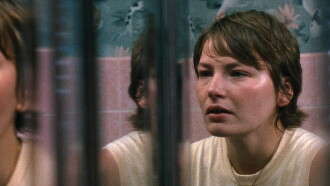
Seven Levels Deep explores the possibilities of a therapy session going deeper than intended. A visual depiction of a heroine’s journey through her own darkness.
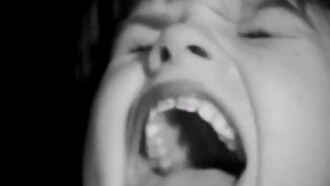
The assistant of a creepy power couple inexplicably finds herself pregnant. Immaculata feels like an unexpected offshoot of Rosemary's Baby, between its half-open doors and a phobia of fluids.
It is refreshing to see classic film styles in today’s movies. Seemingly normal conversations with a few elements of mystery makes the movie strange but interesting.
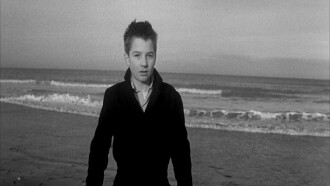
For young Parisian boy Antoine Doinel, life is one difficult situation after another. Surrounded by inconsiderate adults, including his neglectful parents, Antoine spends his days with his best friend, Rene, trying to plan for a better life.
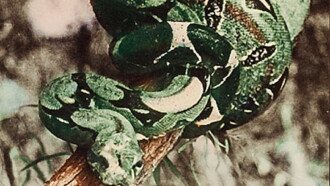
This is a film comprised primarily from footage shot by the exploring team of Mr. and Mrs. William Phillips, nee Bill and Eve Phillips, a minor league version of the better-known Martin and Osa Johnson.
When a ship bringing a contingent of international wounded from Korea is torpedoed, three women (two nurses and a secretary) and a male journalist survive and reach a lonely island in a boat.