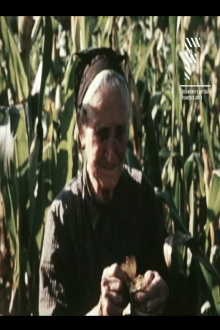
A peculiar in-depth reflection on the concept of homeland reflecting the atmosphere of Basque farmhouses with the participation of emblematic figures in the Basque culture of the period, like the bertsolaris (improvisers of Basque verse) Valentin Enbeita and Jon Lopategi and the Basque dancer Victor Olaeta. To avoid the censorship in place at the time, Elortza entitled the film 'Erria' (Country) rather than 'Aberria' (Homeland).
The abject crimes of the terrorist gang ETA have marked the lives of many Spaniards; men, women and children who were silenced, harassed, persecuted, finally murdered.
A reflection on the assassinations of social democrat politician Fernando Buesa Blanco and his bodyguard Jorge Díez Elorza, perpetrated by the terrorist gang ETA in Vitoria-Gasteiz, Basque Country, Spain, on February 22, 2000.
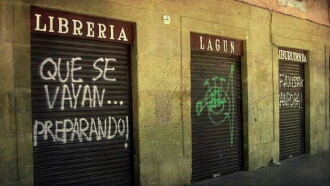
The turbulent story of the Lagun bookstore — located in San Sebastián, in the Basque Country, Spain — is a powerful tale of courage, resistance and struggle; first against the Franco dictatorship, then against the terrorist gang ETA and its numerous and sinister acolytes.
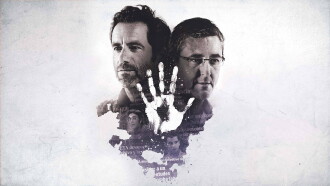
The chronicle of the process, ten long years, that led to the end of ETA (Euskadi Ta Askatasuna), a Basque terrorist gang that perpetrated robberies, kidnappings and murders in Spain and the French Basque Country for more than fifty years.
'Ama Lur' is a documentary, directed by Nestor Basterretxea and Fernando Larruquert, that premiered in San Sebastián in 1968, and it is considered the foundation of Basque cinema.
Departing from peripheral details of some paintings of the Bilbao Fine Arts Museum, a female narrator unravels several stories related to the economic, social and psychological conditions of past and current artists.
Spain, 1997. The story of twelve days in July during which Basque society left indifference and fear behind and faced the threat of the terrorist group ETA.
Following the death of his parents, Yeong-cheol shines shoes in the streets, struggling to care for his sick younger sister Yeong-hui and make ends meet.
Three soccer fans are determined to do literally anything to get to the soccer match between Czechoslovakia and the famous representation team of Brazil.
The young generation is not very at peace with the morality of their parents. In a story set in a Moravian village, the otherwise contented cooperators indulge in stealing from the common property without seeing anything wrong with such actions.
Filmed at the Alhambra in Spain in just one day, according to Marie Menken. Arabesque for Kenneth Anger concentrates on visual details found in Moorish architecture and in ancient Spanish tile.
When a litter of dalmatian puppies are abducted by the minions of Cruella De Vil, the parents must find them before she uses them for a diabolical fashion statement.