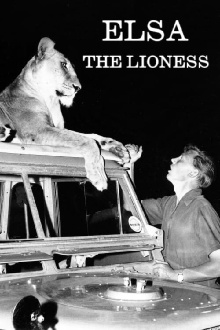
First transmitted in 1961, David Attenborough travels to Meru National Park in Kenya to visit Joy and George Adamson and meet Elsa the lioness and her cubs shortly before Elsa's death.
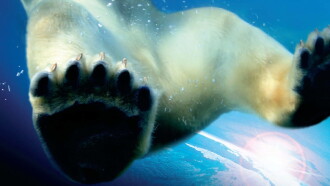
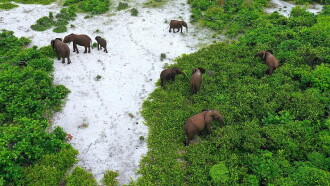
The story of life on our planet by the man who has seen more of the natural world than any other. In more than 90 years, Attenborough has visited every continent on the globe, exploring the wild places of our planet and documenting the living world in all its variety and wonder.
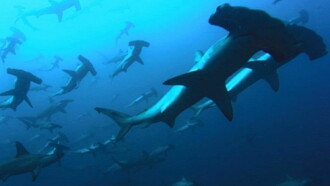
Deep Blue is a major documentary feature film shot by the BBC Natural History Unit. An epic cinematic rollercoaster ride for all ages, Deep Blue uses amazing footage to tell us the story of our oceans and the life they support.
With shared economic, environmental, and humanitarian concerns, communities of local planners, designers, and citizens work toward cross-border collaboration.
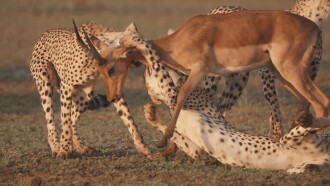
Africa's big cats lead a predictable life, they are masters of the dry terrain. However, for eight intense weeks, violent storms transform their world.
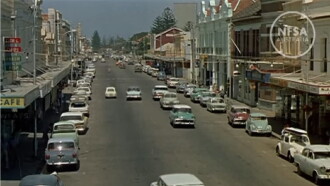
Made by the Department of Immigration to entice immigrants from Great Britain, this film shows an idyllic picture of life in the Western Australian regional town of Geraldton in the mid 1960s.
The young generation is not very at peace with the morality of their parents. In a story set in a Moravian village, the otherwise contented cooperators indulge in stealing from the common property without seeing anything wrong with such actions.
Filmed at the Alhambra in Spain in just one day, according to Marie Menken. Arabesque for Kenneth Anger concentrates on visual details found in Moorish architecture and in ancient Spanish tile.
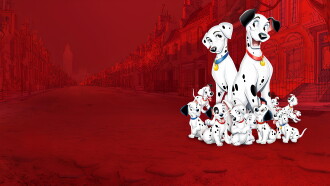
When a litter of dalmatian puppies are abducted by the minions of Cruella De Vil, the parents must find them before she uses them for a diabolical fashion statement.
Two identical twin sisters, separated at birth by their parents' divorce, are reunited years later at a summer camp, where they scheme to bring their parents back together.