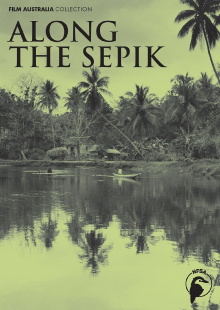
Set on the Upper Sepik River in New Guinea, this film records the day-to-day experiences of Kiap (one-man representative of the Australian government in regional areas) Barry Downes as he patrols an area that in 1963 had only recently been brought under control from headhunters. As well as being a record of the role of the colonial administration, Along the Sepik offers insights into some tribal communities' cultures through depictions of their spirit houses and traditional 'sing sing' ceremonies. Downes investigates a murder, and the culprit is caught and tried by a magistrate in a jungle courthouse under the Australian flag, on the edge of the Sepik River. Australian patrol officers and their men operated under rugged conditions to bring western law and order to this remote area. The film also portrays some of the impact the colonial government had on regional, traditional communities.
After squandering his grant money, despondent and recently widowed anthropologist James Krippendorf must produce hard evidence of the existence of a heretofore undiscovered New Guinea tribe.
The Road to Home (2015), tells the story of Benny Wenda, the Nobel Peace Prize nominated West Papuan independence leader, in his ongoing struggle to free his people from Indonesian colonial rule.
John Waiko is the first Papua New Guinea man to graduate with a PhD and be appointed a professor. He returns to the Binandere clan and his small village of Tabara in the Northern Province of PNG.
An ethnographic documentary documenting the ritual warfare cycle, social life, and belief systems of the Dani people of the Baliem Valley in western New Guinea.
A report following the dramatic events of the Sandline affair, which resulted in the resignation of Papua New Guinea's Prime Minister, Sir Julius Chan.
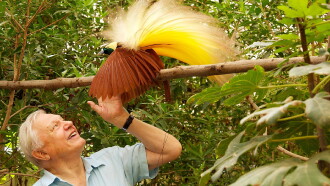
David Attenborough tells the remarkable story of how these "birds of paradise" have captivated explorers , naturalists, artists, filmmakers and even royalty.
Conservationists Jim and Jean Thomas braved the steamy jungles of Papua New Guinea to save a tree kangaroo from extinction and ended up providing water and sanitation to ten thousand people in one of the most remote places on earth.
A four-time widow discusses her four marriages, in which all of her husbands became incredibly rich and died prematurely because of their drive to be rich.
Whips was one of the films mentioned in a half page ad in the April 7, 1966 issue of the Village Voice, advertising The Exploding Plastic Inevitable show at the Dom.
A womanizing reporter for a sleazy tabloid magazine impersonates his hen-pecked neighbor in order to get an expose on renowned psychologist Helen Gurley Brown.