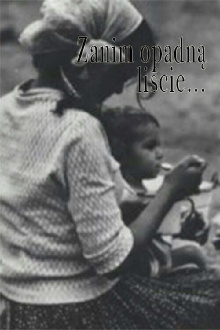
The first Polish documentary about the life of Romani people. The film crew accompanied a tabor of the small Roma community during their journey from place to place. Their customs, relationships and cultural elements were captured on film. The individual scenes are not overcolored or enriched with any kind of romanticism, which was often presented in Polish literature concerning this community.
Once upon a time there lived in the same village two men bearing the very same name. One of them chanced to possess four horses, the other had only one horse, so, by way of distinguishing them from each other, the proprietor of four horses was called "Great Claus," and he who owned but one horse was known as "Little Claus".
Traveling lawman comes to town and schools the residents in collective farming practices. There's also a bad guy with a lot of money who's cut off the water supply to the area's farmers, and the soul of a murder victim that manifests as a flying fireball.
Whips was one of the films mentioned in a half page ad in the April 7, 1966 issue of the Village Voice, advertising The Exploding Plastic Inevitable show at the Dom.
An outdated fireclay factory is due to close, but its long-time employees can't imagine stopping what has fed them all their lives and what they do best.
Songs about eternal love, American vagabonds, cowboys and desperadoes, with the romance of railways and trains speeding into the distance are recorded as film songs, and so, for example, in the well-known standard Franck and Johnny you will see M.
After the insane General Jack D. Ripper initiates a nuclear strike on the Soviet Union, a war room full of politicians, generals and a Russian diplomat all frantically try to stop it.