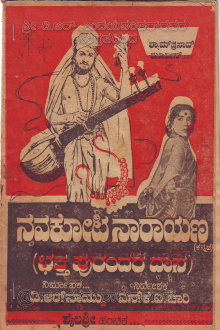
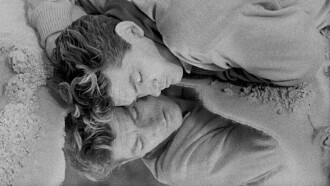
Navakoti Narayana is a 1964 Indian Kannada-language film directed by S. K. Ananthachari starring Rajkumar and Sowcar Janaki. The film is based on the life of Purandara Dasa, a prominent composer of Carnatic music who lived from 1484 to 1564. In the film, Rajkumar plays the role of Purandara Dasa. The music of the film was composed by Shivaprasad. This was the second Kannada movie on the life of Purandara Dasa after 1937 movie Purandaradasa.
After losing their university jobs, three parapsychologists start a ghost-catching business in New York City and uncover a supernatural threat that could destroy the world.
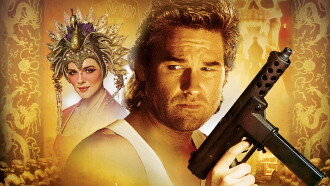
Truck driver Jack Burton gets embroiled in a supernatural battle when his best friend Wang Chi's green-eyed fiancée is kidnapped by henchmen of the sorcerer Lo Pan, who must marry a girl with green eyes in order to return to the human realm.
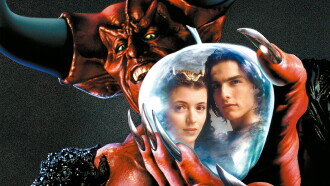
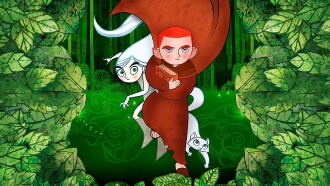
Set in a timeless mythical forest inhabited by fairies, goblins, unicorns and mortals, this fantastic story follows a mystical forest dweller, chosen by fate, to undertake a heroic quest.
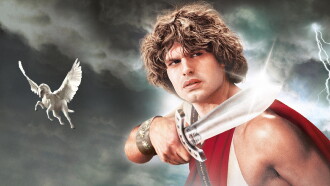
To win the right to marry his love, the beautiful princess Andromeda, and fulfil his destiny, half-God-half-mortal Perseus must complete various tasks including taming Pegasus, capturing Medusa's head and battling the feared Kraken.
A young man and a shaman who has an online bidding store that sell pseudo antiques must deal with various mysterious incidents after confronted by their disappointed customer.
Popular movie trailers from 1964
These some of the most viewed trailers for movies released in 1964:
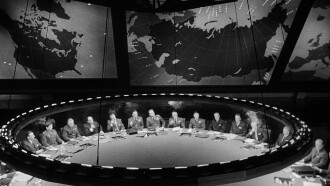
After the insane General Jack D. Ripper initiates a nuclear strike on the Soviet Union, a war room full of politicians, generals and a Russian diplomat all frantically try to stop it.
In this romantic drama, a plain, lonely secretary wins three dance lessons. Her handsome instructor tells her that she is quite talented and cons her into signing a long-term contract.
Once upon a time there lived in the same village two men bearing the very same name. One of them chanced to possess four horses, the other had only one horse, so, by way of distinguishing them from each other, the proprietor of four horses was called "Great Claus," and he who owned but one horse was known as "Little Claus".