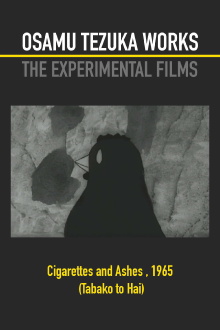
During another routine day at the farm, a chicken refuses to part with her egg. The supervising rooster resolves the issue in one shot. The other chickens furiously escape with their eggs, but freedom is a luxury.
Yuko Asou is a Japanese student from the late 1980s who must protect three different kingdoms - our own land, the land of the Spirits, and Vecanti, the world of dreams - by using a mystical sword called Valis.
Alternative movies trailers for Cigarettes and Ashes
More movie trailers, teasers, and clips from Cigarettes and Ashes:
Osamu Tezuka AW05 1965 Cigarettes and Ashes
Cigarettes and Ashes è stato prodotto nel 1965. E' frutto di un collage di Filmati Televisivi. Oggi viene proiettato solo al Museo di Osamu Tezuka ed è compreso ...
Popular movie trailers from 1965
These some of the most viewed trailers for movies released in 1965:
CBS bit on Piero Heliczer shooting his film 'Venus in Furs' (they mistakenly call it 'Dirt'). Released by Boo-Hooray as part of their exhibit on Heliczer and The Dead Language Press.
Tin Tan sets off for adventure on the isle of Puerto Rico. This musical comedy takes place in the International Airport of Puerto Rico during a day of carnival.
Laura Eden is one of the world's most beautiful pinup photographers. She is given the difficult assignment to bring together and photograph all of the most beautiful nude models in New York City.