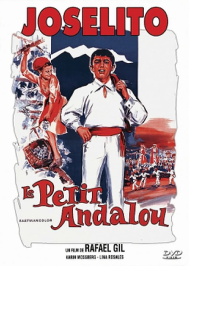
Pedrito de Andia is an adolescent self-conscious about his height something that, in love with his childhood friend, Isabel, goes to port forward to receive her after a long stay abroad. However, when he sees his friend turned into a slender woman, the boy feels dwarfed and, indeed, when he receives a snub by refusing a dance, preferring a more attractive guy with whom Pedrito fight. This scandal ends in punishment and he is sent to Andia, his town, to think. He agrees with the hope that one day she recognize love beyond appearances.
Working incognito at his rich dad's company to test his own merits, Teto falls for Paula and tells her he grew up poor, a lie that spins out of control.
Cole, a teen grieving the loss of his dad, forms an unlikely bond with Bea, a ghost. As they navigate life and death, they must break an ancient curse.
Kiroku boards with a Roman Catholic family and falls for the daughter Michiko. He ignores his feelings, joins a gang, gets in fights and, eventually, becomes involved with the radical Kita Ikki group.
Popular movie trailers from 1965
These some of the most viewed trailers for movies released in 1965:
Tin Tan sets off for adventure on the isle of Puerto Rico. This musical comedy takes place in the International Airport of Puerto Rico during a day of carnival.
The BBC's 1965 adaptation of E.M. Forster's novel, screened as part of their Play of the Month strand, adapted by Santha Ramu Rau and John Maynard, and directed by Waris Hussein.
A criminal organization has obtained two nuclear bombs and are asking for a 100 million pound ransom in the form of diamonds in seven days or they will use the weapons.
Post-adolescent romance; the dude and the chick both tried to impress each other by pretending to come from rich families, and eventually they'll both have to fess up.