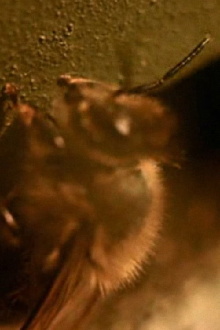
An old beekeeper and a little boy look into a hive. A brown-yellow shape and a black ball of a motile swarm begin to move on the surface of the screen. Physical reality turns into abstract forms.
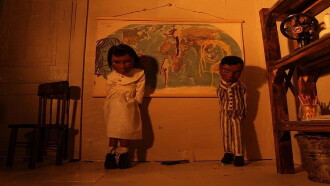
Party girl Annie and Gordon, a homeless man, travel through a remote subway tunnel to a different time; to a world where two children are held captive and tormented by bizarre figures.
An accurate depiction of the basic tenets of northern Mahayana Buddhism, cast into living or "experiential" form, consistent with powerful mantras heard on the soundtrack of the film.
About the loss of a mother, with her unexpected exuberance, but who also cries Puccini melodies. A short poetic collage, as fleeting as the blink of an eye, where sounds and images are superimposed to evoke the at once peaceful and tormented memory of a mother.
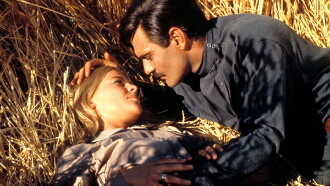
The life of a Russian physician and poet who, although married to another, falls in love with a political activist's wife and experiences hardship during World War I and then the October Revolution.
Kidnapped and rescued by a Ninja, Fujimaru has mastered martial arts over the years. Now he sets off on a journey to find his mother and also locate an old tome containing secret martial arts techniques.
Comments
Have you watched Sweet Rhythms yet? What did you think about it?