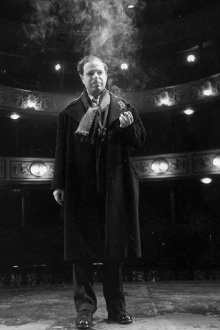
A documentary following US, Peter Brook's experimental play about the moral issues surrounding the Vietnam War, Benefit of the Doubt is the only known film record of the Royal Shakespeare Company production. It was filmed by Peter Whitehead concurrently with his Tonite Let's All Make Love in London (1967), on the surface a very different film, yet both share a central concern with the war, protest and Britain's political and cultural relationship with America.
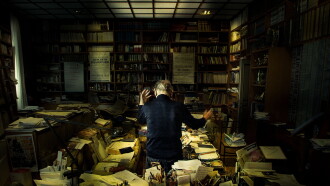
A portrait of Ennio Morricone, the most popular and prolific film composer of the 20th century, the one most loved by the international public, a two-time Oscar winner and the author of over five hundred unforgettable scores.
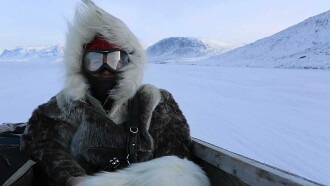
With "sealfies" and social media, a new tech-savvy generation of Inuit is wading into the world of activism, using humour and reason to confront aggressive animal rights vitriol and defend their traditional hunting practices.
Family secrets, lies, high drama and generations of contemporary history unspool in this international story that begins with World War II and concludes with an emotional 21st-century family reunion.
American citizens who are normally marginalized, forgotten and left to fend against toxic dumps and other violations, come to understand that the only way to survive and save their communities is to challenge the system head-on.
Through the lives of professionals working at Tsukiji Fish Market in Tokyo, the film portrays how Tsukiji has been the center of fish culinary culture and helped Japanese food culture to flourish as we know it today.
This film weaves together expert analysis of America's food and farming system with a powerful narrative of one extraordinary farmer who is determined to create a sustainable future for his community.
Thérèse Clerc is one of the great figures of militantism. From the struggle to legalize abortion to the fight for equal rights of men and women and the battle for gay rights, she’s been on the front lines of all of them.
A beautiful documentary film set around Dzogchen monastery in Tibet. It focuses on Kjabje Dzogchen Pema Kalsang Rinpoche, who has been instrumental in the rebuilding and re-establishing of the great monastic seat of Dzogchen monastery in Tibet.
The boy Mowgli makes his way to the man-village with Bagheera, the wise panther. Along the way he meets jazzy King Louie, the hypnotic snake Kaa and the lovable, happy-go-lucky bear Baloo, who teaches Mowgli "The Bare Necessities" of life and the true meaning of friendship.
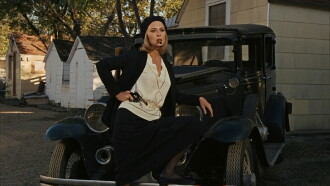
In the 1930s, bored waitress Bonnie Parker falls in love with an ex-con named Clyde Barrow, and together they start a violent crime spree throughout the country, stealing cars and robbing banks.