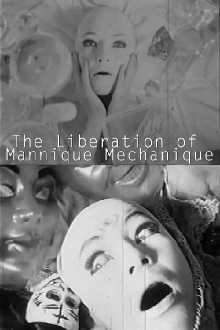
Although best known for his photography, Steven Arnold also wrote, designed, and directed several groundbreaking visionary films, The Liberation of Mannique Mechanique being the first. Stuart Comer of the Tate Modern (London) said of Mannique: “a macabre, decadent work presenting mannequins and models that travel through strange universes toward possible self-discovery.” Brooklyn-based artist and writer Kate Wadkins in a recent online article observed: “Arnold’s films are dream-like visions of androgynous beings. Their narratives are modern-day fairy tales and reveries about gender — all through the lens of an acid trip.”
In WW2, twelve year old Soviet orphan Ivan Bondarev works for the Soviet army as a scout behind the German lines and strikes a friendship with three sympathetic Soviet officers.
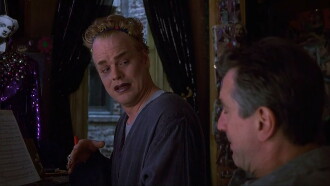
An ultraconservative police officer suffers a debilitating stroke and is assigned to a rehabilitative program that includes singing lessons - with the drag queen next door.
Movie star Roxy Carmichael is abandoning the bright lights of Hollywood, Calif. and returning to her small Ohio hometown -- at least long enough to dedicate a city building.
After a dreadful incident coupled with an ungovernable paroxysm of violence, a butcher will fall into a downward spiral that will burn to the ground whatever dignity still remained in him.
A jewel thief crosses paths with a woman carrying a briefcase that the Americans, the Russians and the Chinese all want desperately, so he goes on the run with her figuring that what's inside the case has to be way more valuable than anything he could steal on his own.
In the 1930s, bored waitress Bonnie Parker falls in love with an ex-con named Clyde Barrow, and together they start a violent crime spree throughout the country, stealing cars and robbing banks.
The Fiend with the Electronic Brain was a re-release of Al Adamson's Psycho A Go-Go featuring new footage starring John Carradine that re-imagined the original film's story with a sci-fi plot.
In order to put an end to the numerous ambushes on the gold transports which are a real menace to the finances of the American government, the agent Joe Ford, called Dynamite Joe due to his liking for explosives, is entrusted with controlling the next transfer.
Comments
Have you watched The Liberation of the Mannique Mechanique yet? What did you think about it?