Georg Maltus wants to make a career as an editor in Munich, but has to make do with a job as publicity manager for pop singer Kim Calder. Kim lives on the outskirts of the city in a wooden house with bum types who are involved in his "Wilder Reiter GmbH". Georg arranges wild gigs for the boss, arranges a rescue operation for a nun who has run away from the convent and a fake kidnapping of Kim, who ends up in hospital. When Kim sells herself to an American producer, Georg escapes the hustle and bustle.
During the 1972 Olympic Games in Munich, eleven Israeli athletes are taken hostage and murdered by a Palestinian terrorist group known as Black September.
Because her husband, crime novel author Bert, prefers to spend the evenings with milieu and girl studies in the pubs, Conny files for divorce and moves with the two children from Berlin to Munich.
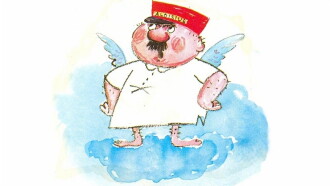
Alois Hingerl, porter no. 172 at the Munich train station, gets into heaven. St. Peter introduces him to the heavenly house rules: “rejoicing” and “singing hallelujah”.
When you're as pretty as Iris, choose an analysis of the love market as your doctoral thesis and also want to gain practical experience, you have to expect to get involved in delicate and not always entirely safe, but at least amusing situations.
Anna, 17 years old, is happy to throw her first big birthday party without her parents, but some of her guests are so stoned that they leave a big chaos and, even worse, destroy the favorite record of Anna's father.
A wild, freewheeling spoof on motorcycle gangs in which tough-looking cyclists, who roam the highways on invisible bikes leaving visible tire tracks, pick up a girl hitchhiker encounter another gang.
In the year 50 BC, Gaul is occupied by the Romans - nearly. But the small village of Asterix and his friends still resists the Roman legions with the aid of their druid's magic potion, which gives superhuman strength.
Sir James Bond is called back out of retirement to stop SMERSH. In order to trick SMERSH, James thinks up the ultimate plan - that every agent will be named 'James Bond'.
"Desire Caught by the Tail" - Described as surrealistic, absurd, and weird. The narrative is nonlinear and the meaning nearly impossible to decipher, the work has been praised despite, and sometimes for, its lack of message.