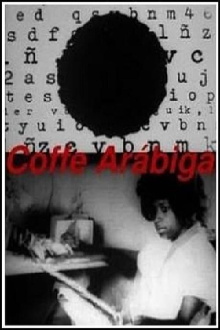
'Coffea arábiga' was sponsored as a propaganda documentary to show how to sow coffee around Havana. In fact, Guillén Landrián made a film critical of Castro, exhibited but banned as soon as the coffee plan collapsed.
The Alberts (Bruce Lacey, Tony Gray and his brother Dougie Gray) attempt to take off. There are two edits of this film, both with their own distinct ending.
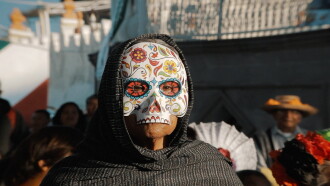
An identity picture and the memory of Contla village through its Día de Muertos festivity. Celebration where the making of traditional bread, an offering colocation, and the embellishment of their family get mixed with mysticism and the yearning of the people community, preserving a tradition that interweaves for moments as a remembering in the México's heart.
A documentary about resilience and the fight against suicide among trans people, the film portrays the characters’ relationships with their bodies, life and all that is sacred.
Filmed along the Emeryville Mudflats near San Francisco, Junkopia captures a landscape of sculptural installations made from driftwood and discarded materials.
"In my film I suggest that there is no greater mystery than that of the protagonists. War and Love are simply equated for what they are; the aftermath is inevitable, and a normal human condition, for which like the ancients one can only have pity and understanding.
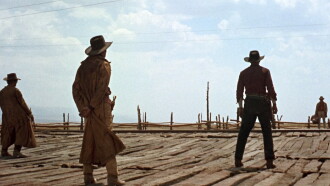
As the railroad builders advance unstoppably through the Arizona desert on their way to the sea, Jill arrives in the small town of Flagstone with the intention of starting a new life.
Two young boys, play hooky from school in order to explore an ultramodern world's fair. They take in the many marvelous scientific and industrial exhibits, obtain literature, eat food, and generally run amok.
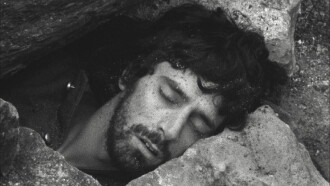
A Southern soldier in the American Civil War is sent to reconnoiter the enemy positions and becomes trapped beneath a huge pile of rubble by Northern cannon fire.
Comments
Have you watched Arabian Coffee yet? What did you think about it?