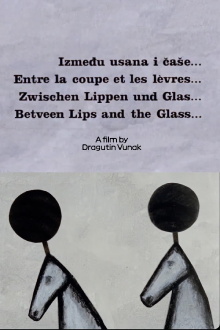
One endless line of people journeys incessantly and inevitably to their grave: the funeral of mankind. We bury one another but live nevertheless. As one person is happy, the other dies. No sooner than we draw a cup to our lips… fate has come.
There's nothing like a good, opulent, gaudy musical to lift the spirits, but when it's a 1960's Hong Kong musical orchestrated by a Japanese director and composer, it breaks through the ranks as a classic of campy kitsch.
Two young boys, play hooky from school in order to explore an ultramodern world's fair. They take in the many marvelous scientific and industrial exhibits, obtain literature, eat food, and generally run amok.