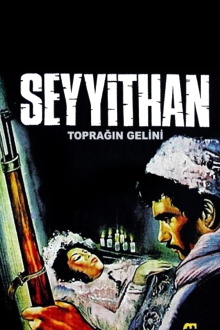
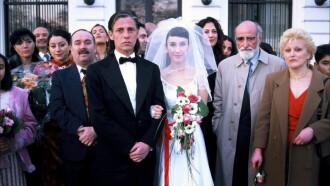
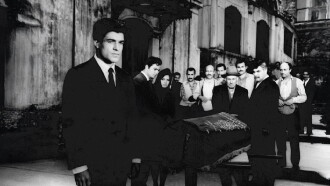
In this rural revenge drama, Güney plays Seyyit Han, a poor man in love with a woman from his Anatolian village who returns his affection. Seyyit Han postpones their marriage so that he can make his fortune elsewhere and return to the village to claim his "bride of the earth." During his prolonged absence, a rich landowner begins to woo the lonely woman, and her brother, intent upon making this propitious wedding happen, spreads the rumor that Seyyit Han has died.
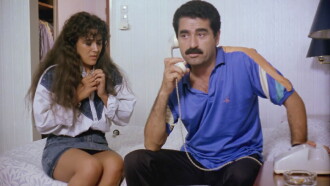
With the intention to break free from the strict familial restrictions, a suicidal young woman sets up a marriage of convenience with a forty-year-old addict, an act that will lead to an outburst of envious love.
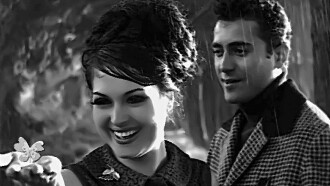
One day, Murat, a firefighter from Kadırga, goes to put out a fire at a mansion. Hilmi Pasha's daughter, Müjgân, sees Murat and falls in love with him.
Nuri, from the Selimoğulları family, kills Turgut, from the Kadiroğulları family. However, he is saved from prison thanks to his relatives who witnessed the crime.
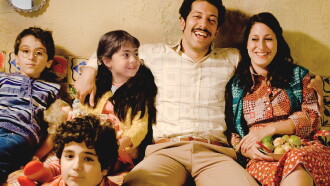
After living 45 years in Germany, the Turkish Hüseyin Yilmaz, seventy, announces to his family that he has bought a house in Turkey and they should return to make the necessary reforms.
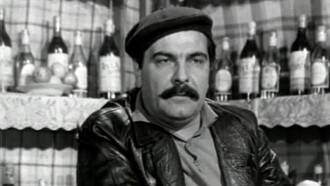
Yusuf has come to Istanbul to find his father, whom he has never seen before. At a tavern, he gets into a fight with Balyoz Seyfullah's men, who have taken control of the area.
The film is the story of girl Cveta who was abducted by the Ottoman bey and taken away in his harem. Bey is trying to embrace Islam, but its persistence, and its neighbors led beloved Spasa, and beloved local priest, assisted by diplomats of the great powers manage to free themselves.
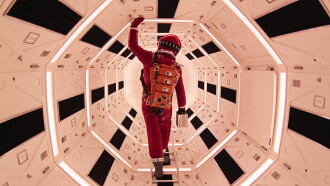
Humanity finds a mysterious object buried beneath the lunar surface and sets off to find its origins with the help of HAL 9000, the world's most advanced super computer.
Sam Moran is a Honolulu charter-boat captain who leads fishing expeditions in the tropical paradise. When his daughter is found murdered at the party of a wealthy young playboy, he seeks the truth about the murder.
Five criminals are arrested after a bank-robbery. One escapes, and the police officer in charge of transporting them arrests a new person at random to cover up for his negligence.
Two young boys, play hooky from school in order to explore an ultramodern world's fair. They take in the many marvelous scientific and industrial exhibits, obtain literature, eat food, and generally run amok.
Comments
Have you watched Bride of the Earth yet? What did you think about it?