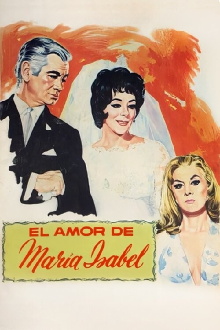
Follow up to Maria Isabel. Newly wed to a rich man, Maria Isabel must still struggle with being branded as a lowly maid and endure the scorn of her adoptive daughter and the infidelity of her husband.
A TV film of the play by Edward Albee. Mild-mannered, complacent Peter is startled when an aggressive stranger, Jerry, starts haranguing him as he sits quietly on a park bench.
The leader of a youth movement is suspected of the murder of his best friend and supporter. A television broadcast intended to help find witnesses reveals the organisation's troubled interior life as well as a far more personal tragedy.
Agus leaves his wife and the three children. After many years, Agus wants to return but he has to apologise to his wife and children, namely Anwar, Dani and Aini.
There's nothing like a good, opulent, gaudy musical to lift the spirits, but when it's a 1960's Hong Kong musical orchestrated by a Japanese director and composer, it breaks through the ranks as a classic of campy kitsch.
A young couple, Rosemary and Guy, moves into an infamous New York apartment building, known by frightening legends and mysterious events, with the purpose of starting a family.
Anthony Steffen, as a young gunman who works as a circus performer, witnesses the killing of some outlaws, carried out by their leader and is credited with the deed.
Comments
Have you watched El amor de María Isabel yet? What did you think about it?