This short focuses on Patricia Neal's return to motion pictures three years after she suffered a near-fatal stroke. We see her and the cast and crew at work in New York City on the feature film The Subject Was Roses (1968).
An in-depth look at an incredible moment in film history when Steven Spielberg and George Lucas assembled an amazing creative team to collaborate on another cinematic benchmark featuring never-before-seen footage and interviews with Spielberg, Lucas, Harrison Ford, Kathleen Kennedy, Frank Marshall, James Mangold, and many others as well.
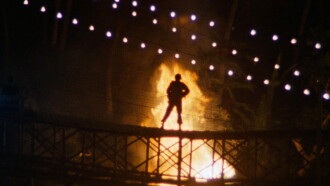
A chronicle of the production problems — including bad weather, actors' health, war near the filming locations, and more — which plagued the filming of Apocalypse Now, increasing costs and nearly destroying the life and career of Francis Ford Coppola.
Arctic Tale is a 2007 documentary film from the National Geographic Society about the life cycle of a walrus and her calf, and a polar bear and her cubs, in a similar vein to the 2005 hit production March of the Penguins, also from National Geographic.
Divided into several segments: A detailed examination of the editing process, centered around Fincher screening scenes from the film; in the recording studio for post-production dialogue recording; comparing the final title sequence to its earliest stages of development in a three-way composite.
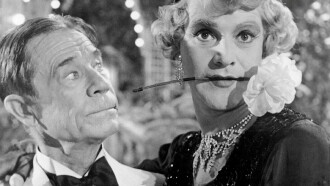
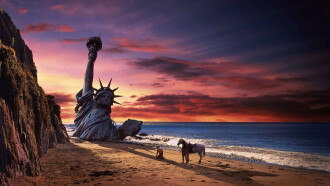
Popular movie trailers from 1968
These some of the most viewed trailers for movies released in 1968:
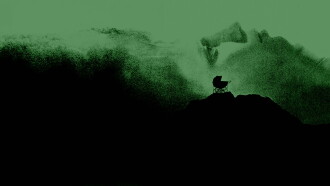
A young couple, Rosemary and Guy, moves into an infamous New York apartment building, known by frightening legends and mysterious events, with the purpose of starting a family.