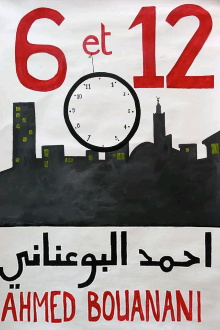
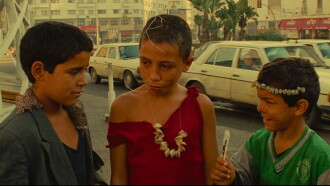
Six and Twelve is one of a series of short films and documentaries produced under the auspices of the Centre Cinématographique Marocain in the years after Moroccan independence. While most of these were utilitarian in nature, Bouanani, Tazi, and Rechiche took a different route with this film, creating a modernist “city symphony” film that documented six hours in the life of the city of Casablanca. Combining a hard bebop soundtrack with stunning black and white cinematography and a radical editing style, the film stands as a document to the energetic experimentation of this period of Moroccan art and cinema.
Spain, November 5, 2021. After an emergency landing, several people traveling from Casablanca (Morocco) to Istanbul (Turkey) escape from Palma de Mallorca airport.
One of six travelers who catch the bus from Casablanca airport to Marrakesh is carrying $2 million to pay a local operator to fix United Nations votes.
Computer programmer Aram Fingal's virtual vacation in the classic film Casablanca is removed by a totalitarian government and accidentally trapped in the virtual reality simulation.
The Three Kingdoms period begins as the walled fortress of Hsin Yang falls to invaders. Centered around this historical event, The Last Days of Hsin Yang follows the escape of the prince of Hsin Yang as he hides with a small family and escapes from the sacked and burning city.
Centring on the legend of the four ancient Chinese heroines, the film was a novelty for audiences at the time, as the singing performance was in Cantonese and used huangmei operatic rhythms—a popular trend in the 1960s, yet it retained traditional flavours by using operatic luogu percussion in the battle scenes.
Three identical prints of a single 100 foot fixed-camera take are shown from beginning to end-roll light-flare, with a few feet of blackness preceding/bridging/following the rolls.
A young couple, Rosemary and Guy, moves into an infamous New York apartment building, known by frightening legends and mysterious events, with the purpose of starting a family.