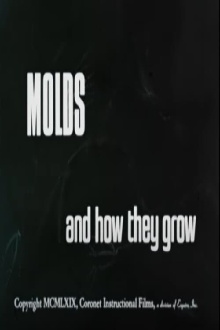
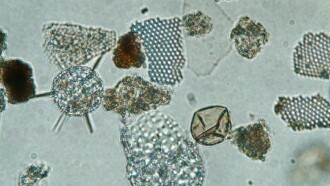
In this educational film, laboratory demonstrations show the effects of moisture and temperature on the growth of molds. Photomicrography reveals the structure of molds: hyphae, mycelium, spore balls, spores. Beginning with spores on a rice culture, time-lapse photography shows the formation of a new colony.
ADHD is one of the most commonly diagnosed-and widely misunderstood-neurological conditions in the world today, affecting nearly 10% of kids and a rising number of adults.
On April 18, 1955, the pathologist performing the autopsy on Albert Einstein covertly steals the genius's brain, hoping to uncover the secret of brilliance.
After ignoring death for most of our history, the medical and scientific communities have begun to focus their attention on how our bodies behave on our journey to the great beyond.
An epic documentary film that sends nine scientists to extraordinary parts of the world to uncover unexpected answers to some of humanity’s biggest questions.
An in-depth investigation featuring world renowned philosophers and scientists into the most profound philosophical debate of all time: Do we have free will?
Oil is a primary energy source in the world. Global oil consumption reached approximately 95 million barrels per day but oil fields' quality is constantly declining.
In his laboratory, an oceanographer conducts temperature and salinity tests to determine the necessary conditions for the micro-algae Protoceratium reticulatum to survive in the Saint Lawrence Estuary.
One entry in a series of films produced to make science accessible to the masses—especially children—this film describes the sun in scientific but entertaining terms.
The landscape surveyed here might be the estranged interior of your typical East-European émigré animator’s skull; with its deranged narrative values, artfully disturbed graphic style, and aggressive "musique concrète" sonorities, Kamler's are among the most astounding works you'll ever see.
Dr. Roth, a respected veterinarian and head of a state-owned stud farm, had accepted papers from a man for safekeeping when he was 16 years old, toward the end of the war.
A farmer receives land from the king and discovers a buried golden mortar. He decides to give it to the king out of gratitude, but his clever daughter warns him that the king will surely want him to bring a corresponding pestle as well.
The legendary swords-girl Little White Dragon, helps protect a crown prince on his journey to a far off temple where he is to be blessed before becoming a Prince.
Comments
Have you watched Molds and How They Grow yet? What did you think about it?