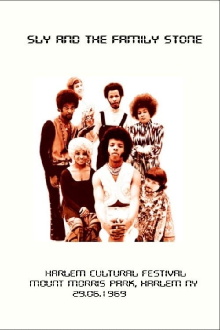
The Harlem Cultural Festival of that year, which would come to be known as “Black Woodstock,” had, on its surface, little in common with the upstate hootenanny. Held in Harlem at Mount Morris (what is now Marcus Garvey) Park, it was a self-consciously urban affair, a concert series rather than a one-off, and already in its third year.
In all of his work, Bussotti makes frequent reference to the body, to sexuality. This to remind musicians — especially classically trained ones — that they are not body-less angels, that they are not just their musical thoughts, that they are still, in the last analysis, flesh and bones.
A daring gang plans to steal priceless historical artifacts, including Tutankhamun’s necklace, that have been brought to Istanbul for a prestigious festival.
A pretty young anti-marijuana activist is kidnapped by a drug ring, which is determined to teach her a lesson by degrading and violating her in every way possible.
A student, tired of a too well-mannered fiancé, loses a virginity she considers very embarrassing in the arms of a forty-year-old man, before finding love with a repentant gigolo.
Neena lives a poor lifestyle along with her parents. Her marriage is arranged with a wealthy male, but the marriage could not take place as her parents are unable to provide enough dowry.