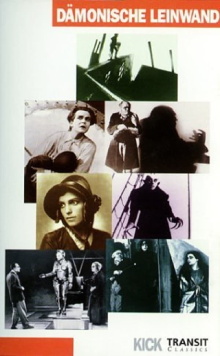
Using his original 8mm films, but blowing them up to 16mm, he created a collage of images that became his four-part film DÄMONISCHE LEINWAND (The Haunted Screen, 1969), quoting Lotte Eisner’s famous study of Weimar cinema in its title.
In all of his work, Bussotti makes frequent reference to the body, to sexuality. This to remind musicians — especially classically trained ones — that they are not body-less angels, that they are not just their musical thoughts, that they are still, in the last analysis, flesh and bones.
Paris 1900. Sharing a house in the Bohemian District are Roberto, a fledgling Musician, who is composing an Opera with his friend the poet Victor Duval; and the beautiful Cossette, daughter of a retired tenor, who goes up and down the stairs, taking advantage of Roberto's music to train her voice.
While happily engaged to Rosalia, Tony has the misfortune of falling for a vibrant pilot named Valeria — and that’s just the beginning of his problems.
Neena lives a poor lifestyle along with her parents. Her marriage is arranged with a wealthy male, but the marriage could not take place as her parents are unable to provide enough dowry.
When Korea Highway Corporation is about to destroy the grave of O Gong-nyeo, the locals oppose the idea because they are worried of the legend of the grave.
Comments
Have you watched The Haunted Screen yet? What did you think about it?