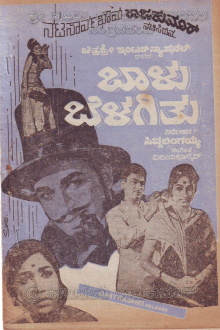
Baalu Belagithu is a 1970 Indian Kannada language drama film written and directed by Siddalingaiah. It stars Rajkumar, Jayanthi and Bharathi.[1] The film was released under Chitrashree International banner and produced by K S Prasad, B V Srinivas and A S Bhakthavathsalam. It was remade in Telugu as Manchivadu, in Hindi as Humshakal and in Tamil as Oorukku Uzhaippavan.
Adapted from the short story by Franz Kafka, The Judgment is a psychological drama exploring themes of alienation, memory, and the lines between fantasy and reality.
Steve Thompson is losing himself, one memory at a time. Plagued with amnesia after getting a concussion, Steve is overwhelmed by his unrecognizable life and leaves his family in search of answers.
Rajashekhar earns the enmity of his business partners when he opposes their illegal plans. Circumstances force him to run from the police and he is separated from his wife in the process.
‘U-Turn’ follows the story of a reporter; Raveena who gets unvoluntary involved in a murder case conducted by the police as she investigates accidents on a flyover.
Longing to experience more of life, twentysomething preacher's daughter Angie strikes out on her own for the very first time and joins a traveling gospel show.
A Couple decides to have no kids after their marriage and stick to it till death does them apart, but their families and society have expectations from them, making it difficult for their marriage.
Popular movie trailers from 1970
These some of the most viewed trailers for movies released in 1970:
Yudi has just got out of jail but Bono and the gang force him to commit another crime. Unlike the others in the gang who spend their money for fun right away, Yudi saves his money in the bank.
Fred Midway may be a bit short on brains, but he's got plenty of ambition. However, before he can gain promotion as a salesman, he must make his family more socially acceptable.
The world is divided into factions, on opposite sides of issues; each side is, of course, right. And so the gap between the people grows, until someone challenges the absolutist view of what's "right.
Two sisters, Hanifah and Latifah/Ipah have different attitudes toward life in Jakarta. While Hanifah is content working as a teacher, Ipah, who works as a shopkeeper, is obsessed with living a high life.