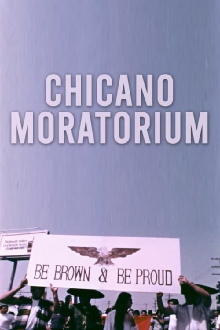
On August 29, 1970 in East Los Angeles, a peaceful march of over 20,000 Chicanas/os, united in protest against the Vietnam War as part of the National Chicano Moratorium movement, was violently interrupted by an extreme, unjustifiable response by law enforcement. The tragic events of that day left four dead. Chicano Moratorium: A Question of Freedom is a harrowing, eyewitness documentary of the events of August 29, 1970 and their immediate aftermath, including the murder of Chicano journalist, Ruben Salazar. In contrast to biased TV news reports of the period, this student-made short offers an impassioned, unvarnished community account of the unrest and violence unleashed by the Los Angeles Sheriff’s Department in response to the otherwise peaceful march in protest of disproportionate Chicano casualties in the Vietnam War.
Award-winning filmmaker Byron Hurt explores what it means to be a Black man in America. Traveling to more than fifteen cities and towns across the country, Hurt gathers reflections on Black masculinity from men and women of a variety of socioeconomic backgrounds and a host of leading scholars and cultural critics.
Working from the text of James Baldwin’s unfinished final novel, director Raoul Peck creates a meditation on what it means to be Black in the United States.
Former corporate whiz kid Robert McNamara was the controversial Secretary of Defense in the Kennedy and Johnson administrations, during the height of the Vietnam War.
An account of the life of the brilliant jazz musician John Coltrane (1926-67), a gifted saxophonist, an extraordinarily talented thinker whose original, avant-garde work has impacted and influenced people all over the world.
The life story of Richard Pryor (1940-2005), the legendary performer and iconic social satirist who transcended racial and social barriers with his honest, irreverent and biting humor.
Through clippings, the film draws a narrative line between the construction of racism in Brazil and the United States, having as base the European invasion of the continent, police violence, the genocide of the black people, the massacre of indigenous peoples, religious violence, the criminalization of funk music, structural racism in art and education, the importance of quota policy and the need urgent historical repair as a commitment by the Brazilian state to the black people.
In 1936, Victor H. Green (1892-1960) published The Negro Motorist Green Book, a book that was both a travel guide and a survival manual, to help African-Americans navigate safe those regions of the United States where segregation and Jim Crow laws were disgracefully applied.
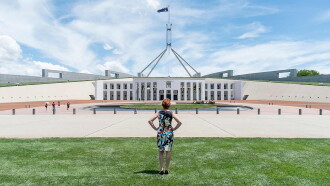
Director Anna Broinowski explores how Pauline Hanson's speech in 1996 and the decades of debate that followed has influenced Australia today; the impact of her political career on modern multicultural Australia, and the people who have helped her transition from local fish shop owner to Member for Oxley.
Coffee-Colored Children is an autobiographical portrayal of Ngozi's, and her brother's, sad welcome to the world where the color of your skin dictates the amount of respect & love you receive.
Popular movie trailers from 1971
These some of the most viewed trailers for movies released in 1971:
The film tells the story of Murat's struggle to rescue his brother Yusuf from a drug gang. Murat is left disabled while trying to save the lives of workers in an accident at his factory.
Television movie that consists of two episodes from the UK TV series Journey to the Unknown (1968): Do Me a Favor and Kill Me (1968) and The Killing Bottle (1969).
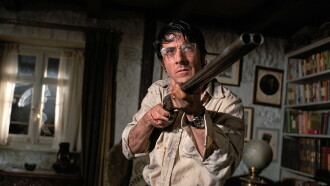
David Sumner, a mild-mannered academic from the United States, marries Amy, an Englishwoman. In order to escape a hectic stateside lifestyle, David and his wife relocate to the small town in rural Cornwall where Amy was raised.