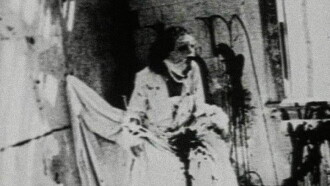
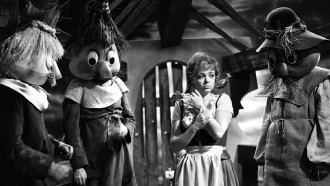
Kinkón (1971), a silent adaptation of Merian C. Cooper and Ernest B. Schoedsack’s 1933 classic, King Kong. Zulueta re-filmed a television broadcast of the original, and through creative subtraction and manipulation of camera speed, condensed the original’s feature length to an intensified seven minutes. The cathode-ray flicker and flattening that results from the re-filming defamiliarises the original, but its classical continuity mode of address continues to operate on the viewer, and the increase in velocity makes mesmerisingly urgent the dramatic plot of the original. —Senses of Cinema
A sexual reverie unfolds over the course of one ethereal night. Characters wander through an erotic maze of love and lust, blurring the lines between wet dream and lucid nightmare as a macabre, erotic stage performance sends a ripple of lustful desires through its audience and performers.
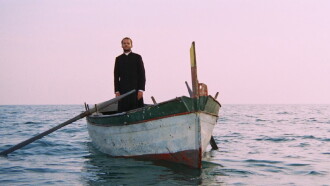
In the nineteenth century, a French adventurer sets off to establish a kingdom in the inhospitable South of Chile, uniting the feared Mapuche under him.
Hoping to find a sense of connection to her late mother, Gorgeous takes a trip with her friends to visit her aunt's ancestral house in the countryside.
Part of the larger filmic Four Journeys Into Mystic Time, in this work director Shirley Clarke makes use of a dancer’s body not only as the primary performer, but also as a canvas on which to paint projected images.
With input from actor and writer Jan Hlobil, director and cinematographer Rene Smaal presents a film in the true surrealist tradition, in the sense that only 'found' elements were used, and that it defies interpretation based on ordinary cause-and-effect time sequence.
Julie, a teen who died from a PCP overdose in the early '70s, searches from beyond the grave for her younger brother Bob, who now in the '90s is an obese watch seller suffering with sucrose intolerance.
Dislocation in time, time signatures, time as a philosophical concept, and slavery to time are some of the themes touched upon in this 9-minute experimental film, which was written, directed, and produced by Jim Henson.
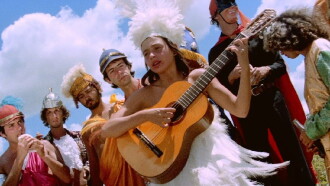
This is the only feature directed by the famed French painter and sculptor Martial Raysse. In keeping with the revolutionary spirit of the time, the movie has no plot to speak of and appears to have been largely made up on the spot.
Drawing inspiration from a poem penned by Castro Alves, this film vividly captures the political, cultural, and intellectual climate of Brazil during the late 1970s.
Popular movie trailers from 1971
These some of the most viewed trailers for movies released in 1971:
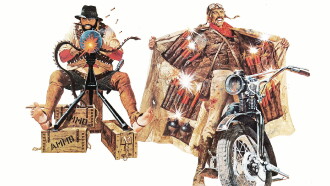
At the beginning of the 1913 Mexican Revolution, greedy bandit Juan Miranda and idealist John H. Mallory, an Irish Republican Army explosives expert on the lam from the British, fall in with a band of revolutionaries plotting to strike a national bank.
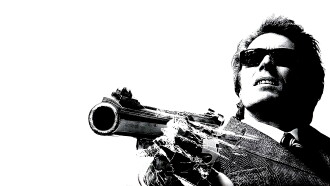
When a madman dubbed 'Scorpio' terrorizes San Francisco, hard-nosed cop, Harry Callahan – famous for his take-no-prisoners approach to law enforcement – is tasked with hunting down the psychopath.
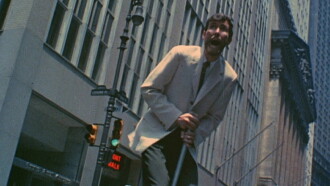
This period compilation of documentaries shot with a Portapak camera from the early era of video experimentation offers an immediate view of the independent New York art scene (concerts and theater perfomances on the streets and in the clubs of downtown).
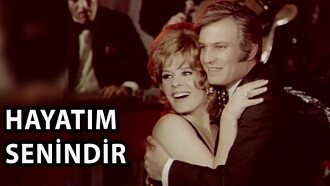
Leyla and Murat are two artists who go from success to success on stage and on set. The only thing that overshadows their love is Leyla's ex-boyfriend, who is pursuing her.
Comments
Have you watched Kinkón yet? What did you think about it?