Blasting off into cosmic visual abstraction, pioneering computer artist Lillian Schwartz’s UFOs is a kinetic tour-de-force whose innovative pixel pigmentation showcased advanced stereoscopic technology as art.
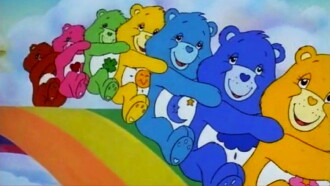
The Care Bears team up with a troubled brother and sister who just moved to a new town to help a neglected young magician's apprentice whose evil spell book causes sinister things to happen.
The Colours of My Father: A Portrait of Sam Borenstein is a 1992 short animated documentary directed by Joyce Borenstein about her father, the Canadian painter Sam Borenstein.
Renaud is 85 years old and lives in Paris with his trusty wheelchair/caregiver. He's a loner, stuck in his ways, uncomplainingly trapped for years now on the top floor of a building in Montmartre.
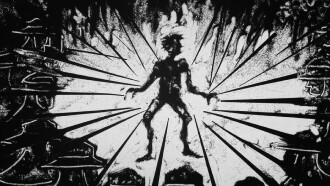
A boy looking for his cat to the edge of time, where who's dead disappears and who's alive let fly. Childhood illusions dissolve on the wheat field and make landscape.
The disappearance of her sock at a local laundromat sends a fragile Rita over the edge. Hellbent on finding it, she searches deep and gets sucked into a washing machine, entering an otherworldly cycle from which she may never escape.
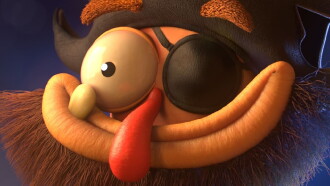
Manual Man follows a progression of men whose bodies transform into furniture and appliances after reading various instruction manuals.
Alternative movies trailers for UFOs
More movie trailers, teasers, and clips from UFOs:
Ufos zerstören die Erde (1962) - German Trailer
Deutscher Trailer zum SciFi-Klassiker von 1962. Weltuntergangsvision: Ein Meteor rast auf die Erde zu - die Menschheit gerät in Panik. Es gibt nur einen ...
Popular movie trailers from 1971
These some of the most viewed trailers for movies released in 1971:
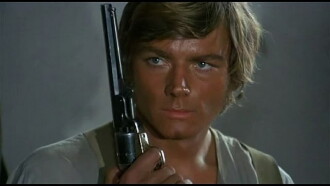
Sando Kid is a medic on the battlefields of the civil war and a pacifist. One day he witnesses Yankee captain Grayton ruthlessly killing wounded and unarmed soldiers.
A wealthy Englishman finds his third wife dead. After the police discover that his first two wives had also died suddenly, an investigation is launched.
Leyla and Murat are two artists who go from success to success on stage and on set. The only thing that overshadows their love is Leyla's ex-boyfriend, who is pursuing her.
Jai, the orphaned boy adopted by the Monkey Man, helps missionary Charity Jones bring an organ to a friendly tribe, but they are captured by hostile natives.
Comments
Have you watched UFOs yet? What did you think about it?