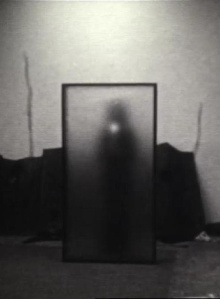
The large translucent screen that dominates the film clearly shows Manuela de Freitas' body holding a candle, or rather a shadow (reflection) of that body and the dominant figure in the film, a variation of reflection, blurring, and shadow. This is a shadow theater for a cinema of reflections, from which other bodies emerge rhythmically, which in turn are reflections of souls. In this black and white, silent film, the bodies are the only materiality, and it is no coincidence that the film—a film about the body and soul of Manuela de Freitas—is titled Manuela.
In a French seaside town, at a boarding house for civil servants recovering from surgery and maladies, the six male residents' lives change dramatically when two women arrive: Catherine, lively, sexually liberated, willing to kiss, dance, and sleep with the men, and Leonie, reserved, formal, conservative.
Doc Saxon and his gang rob the Crown City bank but are double-crossed by Carrasco, a Mexican bandit, who steals the gold and leaves Doc and Donovan with nothing.
After a Chinese restaurant in Rome is threatened by the mafia, who will stop at nothing to acquire the property, the owner recruits a family friend in Hong Kong, kung fu expert Tang Lung, to help them defend their business.