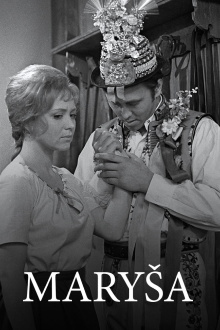
Maryša, a peasant daughter, is forced by her greedy parents to marry a rich miller, a widower with three children. But she loves the village scoundrel Franck, who has no hope against Vávra. Francek goes to the army and Maryša and Vávra go to catechism with the priest. Maryša and Vávra's marriage is unhappy. The parents also realize their mistake, especially Lízal, who offers his daughter to return home. Maryša refuses and also rejects the proposal of Franck, who has returned from the army and asks her to run away to Brno with him. She chooses a tragic solution...
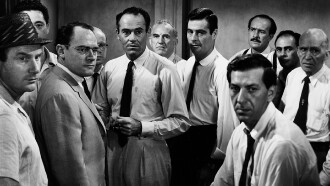
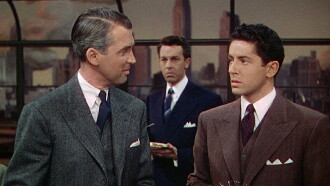
The defense and the prosecution have rested and the jury is filing into the jury room to decide if a young Spanish-American is guilty or innocent of murdering his father.
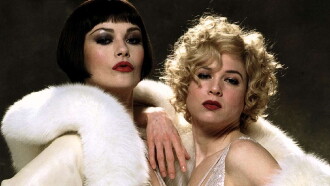
Murderesses Velma Kelly and Roxie Hart find themselves on death row together and fight for the fame that will keep them from the gallows in 1920s Chicago.
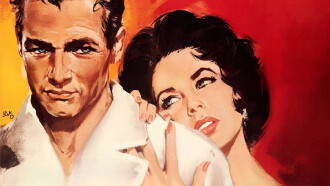
An alcoholic ex-football player drinks his days away, having failed to come to terms with his sexuality and his real feelings for his football buddy who died after an ambiguous accident.
After having challenged the German Ottone to single combat for the hand of Leonza, the bishop's niece, the valiant knight Anselmo da Montebello, leaves for Rome where he must deliver a precious relic to the Pope and obtain a sum of twenty-thousand crowns in order to participate in the third crusade in the Holy Land.
"A family of Polish immigrants has a difficult time adjusting to life in the United States. The story centers on the son, named Janek, who has trouble fitting in at school and with his family.
The film by Brakhage commonly referred to as "Wecht" does indeed exist. It doesn't have a titlecard at the head, and the leader of the original is labeled "Portrait" in Stan's handwriting, so I'm not sure where the 'Wecht' title comes from.
This Spanish-Italian co-production tells the story of a man who feels deep guilt for the death of his wife: he, an alcoholic, is convinced that he accidentally caused her fatal fall in their house while he was drunk.
Young adventurer Gipo owns one fifth of a rock illustrating the location of a rich gold mine. Risking his life more than once and with the help of the beautiful hooker, Lulu Belle, our hero sets out to recover the missing pieces.