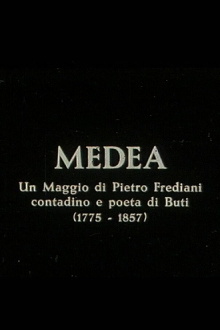
In the village of Buti, on Monte Pisano, oral tradition preserves the memory of a type of popular theater known as Maggio, which died out around 1952, the year of the death of one of its last directors, Angiòlo Bernardini, who passed away at the age of 82. The director, with the help of the old prompter, handwritten notes on the scripts, and the actors of yesteryear, now elderly, attempts to stage this theater again, recited and sung in octosyllabic quatrains.
The film by Brakhage commonly referred to as "Wecht" does indeed exist. It doesn't have a titlecard at the head, and the leader of the original is labeled "Portrait" in Stan's handwriting, so I'm not sure where the 'Wecht' title comes from.
"A family of Polish immigrants has a difficult time adjusting to life in the United States. The story centers on the son, named Janek, who has trouble fitting in at school and with his family.
In a French seaside town, at a boarding house for civil servants recovering from surgery and maladies, the six male residents' lives change dramatically when two women arrive: Catherine, lively, sexually liberated, willing to kiss, dance, and sleep with the men, and Leonie, reserved, formal, conservative.
Young adventurer Gipo owns one fifth of a rock illustrating the location of a rich gold mine. Risking his life more than once and with the help of the beautiful hooker, Lulu Belle, our hero sets out to recover the missing pieces.
A group of ruthless Chicago mob enforcers are sent to Kansas City to settle things with the owner of a slaughterhouse who has taken money that is not his to keep.
A prohibition-themed gangster thriller, set in the 1930s in the United States. Following a failed heist, Sam's gang takes refuge in a small isolated town where another gang has already settled, together with a mysterious priest.