Robarte el arte Trailer (1972)
02 March 1972 35 mins
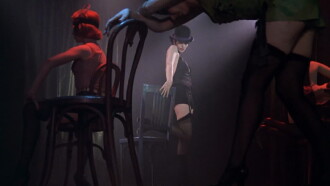
For Robarte el Arte [Stealing the Art] (1972), Juan José Gurrola together with Gelsen Gas and Arnaldo Coen supposedly stole an artwork during Documenta 5 in 1972 and represented it with an asterisk of scotch tape on a rock in the Wilhelmshöhe Park. Sequences of this performative action are montaged like in a silent movie with panels of cut-up newspaper text blocks, installation shots from the Documenta exhibition inside and outside Fridericianum, and scenes from a horror porn movie based on the story of the serial killer "Goyo" Cárdenas – his case became a sensation on Mexican media in the 1940s and inspired several copycat murderers imitating his crimes – and underscored with a dramatic soundtrack. With Robarte el Arte, the artists satirically destabilize Documenta’s institutionalized role to chart the current art developments and thus setting the foundation for a so-called canon as Eurocentric.
Watch the official Robarte el arte 1972 trailer in HD below or find more Robarte el arte videos on Vidimovie.