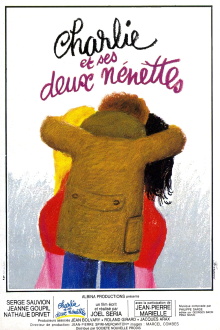
Charlie, a forty-something looking for a job, meets two twenty-something girls, Ghislaine and Josiane, who are similarly unemployed. All three decide to take to the road selling oilcloth to pay their way. The harmony reigns within the group until the arrival of Tony, a seller of miniature cathedrals.
A runaway heiress makes a deal with the rogue reporter trailing her but the mismatched pair end up stuck with each other when their bus leaves them behind.
The brothers Kipp and Most set off to inherit their grandmother's estate. Along the way, they meet Viktor, a deserted Russian soldier who kidnaps them, and Nadine, who joins them voluntarily.
An erotic comedy depicting the sex adventures of young wives living in an apartment complex, that are not satisfied with just having sex with their husbands.
A couple is suffering from sexual estrangement. The husband is having an affair with his secretary and the wife takes up with Sandra an interior decorator.
Two rival street gangs from Kowloon go to war over turf and bar girls so as to dominate the area and maximize their takings; however things go from bad to worse as the girls start to get involved in the bloody feud.
In 1913, in Oklahoma, oil derrick owner Lena Doyle, aided by her father and a hobo, is stubbornly drilling for oil despite the pressure from major oil companies to sell her land.
Sex & Fury chronicles Ocho's exploits as she searches for her father's killers, each identified by unique tattoos on their backs (a deer, a boar, and a butterfly).