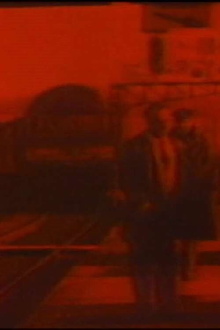
"L'invitation au voyage” is articulated around the combining of images of memories. On a technical level, this is obtained by using fading photographs followed by solarised landscapes produced using the universal special effects device developed by the research department of the ORTF (the French national radio and TV broadcasting corporation) and a scene filmed in slow motion using a high-speed camera operating at 200 frames per second.
The story of the last days of Austrian farmer Franz Jägerstätter (1907-43), who was executed by the Nazi regime because of his refusal to compromise with a perverse system.
Abel Hradscheck, the owner of an inn in the Oderbruch country, faces financial ruin. For this state of affairs, Ursula, his wife and former actress, is by no means free of blame.
In this film the director's recurring concerns return: the divisions in the Chilean left, and its contradictions between what the director calls the "traditional" and the "revolutionary" left.
It is 1905. The police director gets Jindrich Legenda (Eduard Cupák) shadowed as, yet Legenda had served his sentence for a burglary, the jewels have not been found.
The unexpected return of his ex-wife and the assembly of a group of protesters both threaten to wreck a corrupt contractor's inauguration party for his new superhighway.
A film demonstrating steps to take in the event of a nuclear attack. Animated drawings show the effects of atomic explosions in the air and at ground level.
In 1913, in Oklahoma, oil derrick owner Lena Doyle, aided by her father and a hobo, is stubbornly drilling for oil despite the pressure from major oil companies to sell her land.
Comments
Have you watched L'invitation au voyage yet? What did you think about it?